M.Mus (York U) in-progress
B.Mus (Pontifical Catholic University of Chile)
B.Arts (Pontifical Catholic University of Chile)
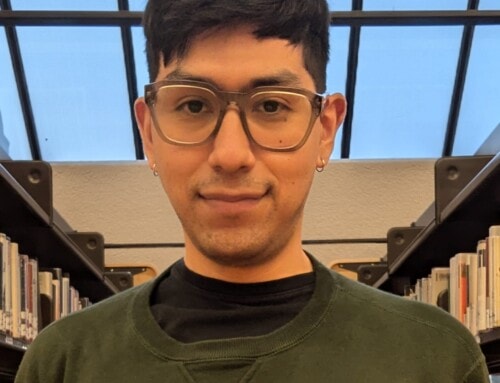
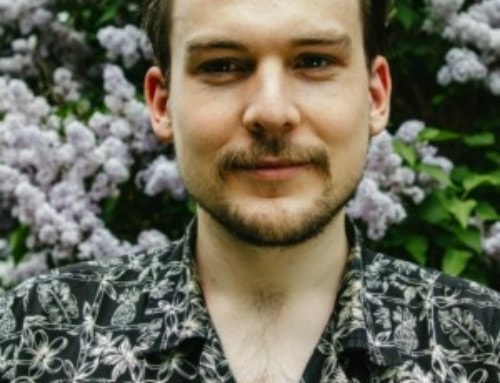
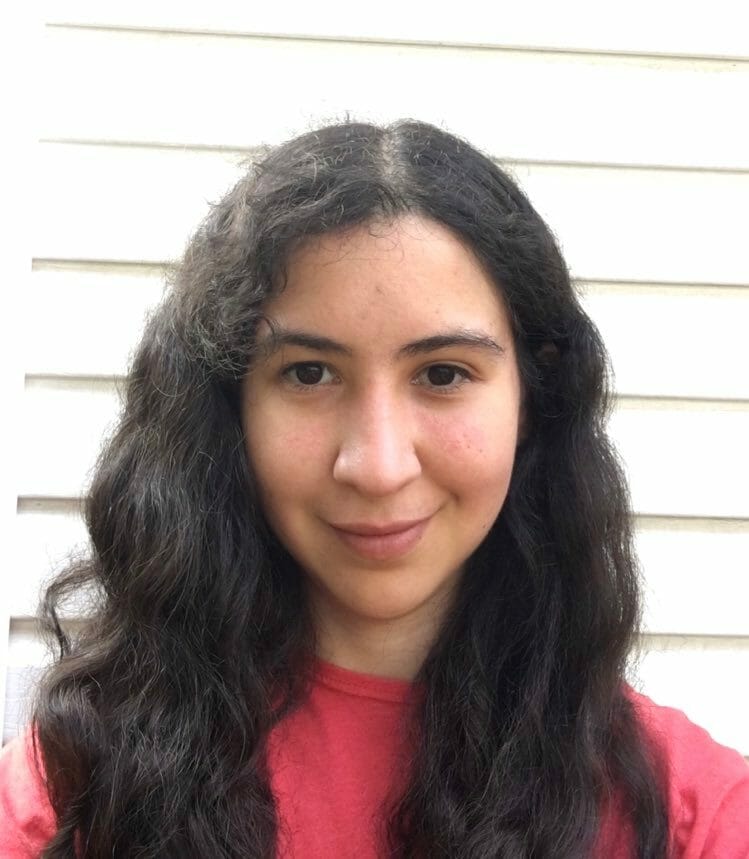
Colomba is a Chilean Canadian pianist and musicologist. Born and raised in Chile, she has been a piano and music theory teacher for over six years. She is currently studying an M.A. in Music at York University with the York Graduate Scholarship.
Colomba completed her Bachelor of Music as well as her Bachelor of Arts (Major in History) at the Pontifical Catholic University of Chile. During her time there, she served as Teaching Assistant in Harmony, Analysis and Music Theory courses. She also had worked as private Piano Teacher from 2016 and at Schlotfeld’s Online Music Academy throughout the pandemic.
As a pianist, Colomba served in 2019 as keyboardist in the 2022 Pulsar Award Winner (Best Jazz & Fusion Album) “Ensamble Escondido”. She also has experience as a pianist for private events and weddings. Colomba seeks to encourage her students to discover their own music tastes and creativity by balancing traditional skills and innovative methods.
Get to know Colomba…Beyond the Bio!
Hobbies: Piano, music research on Classical and Latin American Popular Music, History, Drawing.
Music influences: Music from the Romantic and Impressionist era; Chopin, Satie and Debussy in particular. Popular Music genres such as Classical and Progressive rock. Folk-rooted Latin American genres (Peruvian Landó, Bossa-Nova, Cuban Son).
Favourite food: Any dessert will do the trick. I also like Italian food, Arepas, Asian food. I’m not a picky eater so I enjoy almost any food.
Least favourite food: Beet salad. It doesn’t have too much flavor.
Favorite music: Anything that has an interesting rhythm and melody. My favorite genres are Jazz, Rock, and Latin American Folk Music. Regarding Classical Music, I’ve always been a fan of the Romantic Era.
Favourite song: I like too many songs to choose just one! Negra Presuntuosa- Susana Baca
Time – Pink Floyd
Favourite movie: No Country for Old Men.
Favourite movie music: Pirates of the Caribbean, The Incredibles.
Favourite musical theatre/opera: Carmen – Georges Bizet.
Best quote from your teacher: “a hard-working student in the long term will surpass a prodigy”.
Favourite quote: “Fools who don’t respect history are doomed to repeat it.” “Traveller, the road is only your footprint, and no more; traveller, there’s no road, the road is your travelling.”
Favourite book: One Hundred Years of Solitude – Gabriel García Márquez.
Best thing about teaching at ABC: Helping people to develop a love for music.
Latest Homework from Colomba
Is Colomba Your Teacher?
Sign up now to get your weekly assignments delivered, and never lose your homework sheet again!
October 11th
Francisco:
Super Mario Bros: practice up to what we saw in class.
C major scale: doing parallel and oposite movement. Be careful with the fingering.
Maria Ines:
Practice Bb sequence (parallel and opposite movement)
Before you go: Play chords with the left hand and melody with right hand. Remember that in the verse, the chords fall before the melody. Pay special attention to where the chords change in relation to the lyrics.
Noreet:
My Piano Adventures, pp. 76-77 “My L. H. C scale/”My R.H. C scale” and p. 79 “Katie’s dog tucker”. It is very important to put the thumbs in the first two notes (C in the right hand and G in the left hand) and follow the fingers indicated there.
October 26th
Gerardo:
“Allegro in D major”: Study the whole piece with the repetitions, at a moderate tempo and without stopping even if you make mistaes. Add the dynamics. Pay special attention to the crescendo in mm. 7-8.
“Ice Skaters”: Practice the first page with separate hands. Don’t forget to count in the bars where the left hand rests.
Elliam:
My First Piano Adventures pp. 60-61 “Shepperd, count your sheep”. Remember to count “2-3-4” in the whole notes, and “2” in the half notes. Be careful with the changes between left and right hand.
Caedan:
Piano Adventures book 1: p. 11 “Sailing in the Sun”. Read as much as you can.
Over a C major chord, create or improvise a melody.
Anaya:
“Indian Song” , read the last two lines. For bars 1-8, start slow, so you don’t change the tempo when you get to bar 3.
Zoe:
Sonatina in C major: Gradually accelerate the tempo of the piece. It’s better if you use a metronome. Start at 88 bpm, and go up from there.
Start reading the second movement (pay attention to the key signature: it’s in F major).
Preferred Books for Colomba’s Students
Click to buy them here, and they’ll come right to your house! What could be easier?
Belting - A
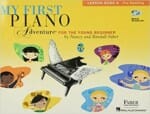
Written for ages 5 and 6, My First Piano Adventure captures the child’s playful spirit. Fun-filled songs, rhythm games and technique activities develop beginning keyboard skills.
John Thompson's Modern Course for the Piano
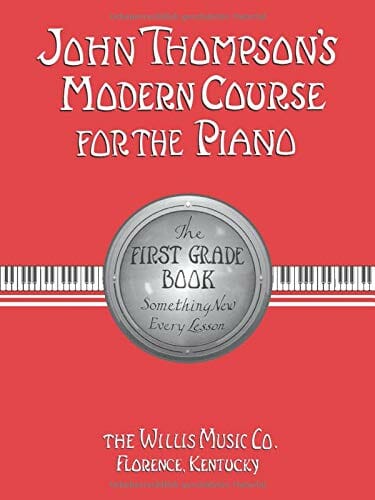
Time-tested bestseller around the world! The legendary Modern Course series provides a clear and complete foundation in the study of the piano that enables the student to think and feel musically. It’s known as the method for quick, dedicated learners. It’s also well-regarded as a self-teaching method for the mature player. The First Grade may be preceded by Teaching Little Fingers to Play and/or Teaching Little Fingers to Play More .
Mikrokosmos
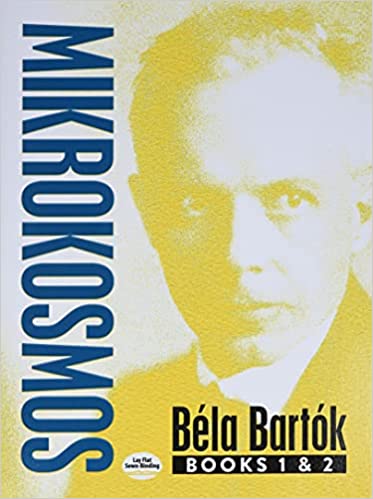
Béla Bartók wrote the first four volumes of the Mikrokosmos as a series of beginning piano exercises for his son Péter. The great Hungarian composer’s complete six-volume collection represents one of the most comprehensive anthologies of contemporary technique ever assembled. This edition, consisting of the first two volumes, presents more than 100 pieces of study material suitable for first- and second-year students.
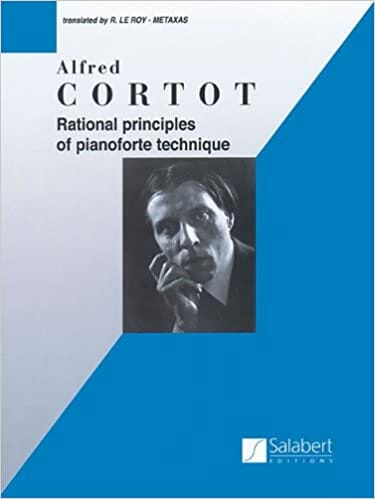
Rational Principles of Pianoforte Technique