M.Mus (U of T)
B.Mus (Oberlin)
Guitarist Gergely Szabo has an Advanced Diploma in Music Performance from Cambrian College where he majored in the classical guitar. Over his time there, he completed 2 years of comprehensive pedagogy courses. He also gained well grounded vocal skills, as well as basic knowledge on the piano. Outside of classical music, he exhibits a repertoire of skills and knowledge in playing the genres of rock, blues, and heavy metal music. He has experience in teaching the guitar and the ukulele to a range of people aged 6 to 54.
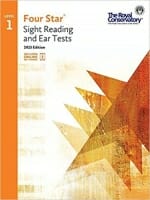
Gergely’s teaching methods include both the use of books and digital methods. The three main books he uses to teach guitar are as follows: “Guitar Method Book 1 by Will Schmid and Greg Koch,” “Four Star Sight Reading and Ear Tests RCM Level 1,” and “Classical Guitar Repertoire and Etudes RCM Level 1.” For teaching ukulele, he uses the book “Ukulele Songs for 1, 2, or 3 players by Elizabeth Ragsdale.” Aside from these, he frequently uses the Muse Score application as a play-along practicing tool.
Gergely’s passion for music and his dedication to growing the love of music in others are the biggest reasons why he teaches guitar and ukulele. His approach to teaching involves learning through play. The material he covers with his students is always delivered in a way that is highly interactive. Most of the assigned exercises he gives involve the elements of play that students can enjoy both in class and as homework.
Get to know Gergely…Beyond the Bio!
Coming soon!
Hobbies:
Musical influences:
Favourite food:
Least favourite food:
Favourite music:
Favourite album:
Favourite movie:
Favourite musical theatre/opera:
Best quote from your teacher:
Favourite quote:
Favourite book:
Latest Homework from Gergely
Is Gergely Your Teacher?
Sign up now to get your weekly assignments delivered, and never lose your homework sheet again!
Saturday, December 7th
Reminder: The next three lessons will be with Thomas while I’m away. Happy holidays and new year! See you when I’m back (Jan 11th lessons).
Jack
Benny Greb Rhythmic Alphabet
–Practice four letter words (See the handout from today for two examples), try to come up with some of your own! 1) spell the word and write it out with enough space for the dots and dashes 2) add in the dots and dashes 3) play from your newly assembled word cheat sheet!
–Play the resulting words along with “In Too Deep”
Tragically Hip: 50 Mission Cap
–Learning the beat (Bass-Snare-Bass-Snare) and playing along with the song while I play piano
Xylophone
–Learning the musical alphabet (ABCDEFG)
–Visually identifying C on the keyboard
–Spelling “Dad” and “Egg” on the keyboard
Nova
Benny Greb’s Rhythmic Alphabet (in google drive):
–Practice each letter as a single-stroke roll (R-L-R-L…). Play the dots as accents, and dashes as soft taps
–Learn two-letter words (ex. IF, NO, HI, OF, AD, IN…)
Tommy Igoe’s Groove Essentials: Groove 1 SLOW
–Playing eight-bar phrases, add in fills in the eighth measure. For some inspiration, review Drumset Musician p27 (in google drive) to see examples of four-beat fills
–Do the same with the Variation A groove
Groove 1 FAST
–Playing the basic beat without fills or variations, play along with this track and try to keep up with the faster tempo. Remember, smaller more relaxed strokes are easier to play fast than big or tense ones!
–If needed, download the MP3 from the gdrive and slow down playback (in VLC, for example) to help work up to speed
Aleksander
Warmups (30 sec each) goal tempo 160bpm:
–Single strokes (R L R L…)
–Double Strokes (R R L L….)
–Paradiddles (RLRR LRLL…)
–RLLR LRRL
–FLAMS*** pay close attention to the stroke setup: one hand high, one low. After the stroke, set up the opposite way
Drumset Musician p39, introducing sixteenth-notes
–Learn the different rhythms on this page (especially the three examples at the top of the page). Once you have the first three, can you think of how to play the others
Drumset Musician p14 ex. 7-8 (2min ea.)
Lenny Kravitz: Are You Gonna Go My Way (find the sheet music in the Frequently Used Resources folder)
–This week, learn everything up until the verse (0:32)
Koel
Warmups (1min each):
–Triplet Ex. 125bpm
–Ride pattern exercise with sixteenth exercise on the cymbal (goal tempo 90)
Tommy Igoe’s Groove Essentials: Groove 1 SLOW (track one)
–This week, practice 8-bar phrases
–On every eighth measure, play a four-beat (one measure) fill! Today we tried: [1e+a2e+a3e+a4 ] [1 + 2 + 3e+ 4 +a] [1e+ 2 +a 3 + 4 + ]. Feel free to create more! And reference the Drumset Musician fills page (27) for more ideas
–For each 8-measure phrase, switch between the different groove variations. Ex: 7 measures of basic beat–>fill–>seven measures of variation A–>fill–>seven measures variation B–> fill, etc…
Duke of Edinburgh
–Koel logs the hours
–Smart goal: measurable, achievable, and in a timely manner (end of school year)
–SMART GOALS: 1) triplet exercise up to 140bpm 2)sixteenth-note exercise up to 110bpm 3) Master six new grooves from the Tommy Igoe Groove Essentials book (2x rock, one funk, one r&b/hiphop, one jazz, one world) 4) Learn one new song
Tracie
Warm-ups:
–Triplet ex. (85bpm)
–Rhythm ex. Good! Keep focused on listening and adjusting to stay with the metronome
Four Teeth
With Thomas, begin a new song. Work on Four Teeth with Thomas (tightening things up, adding variations). In the new year, begin either Livin’ on a Prayer or Come As You Are.
Groove Essentials: Groove 1 (find chart and backing track in the Freq. Used folder)
–Basic beat with “Chad Kroeger” drum fill in measure 8
Jared
Warmups:
–Stick Control ex 14-23 (70bpm)
—-Play each exercise 4 times
Bruno Mars: Locked Out of Heaven
–Good, but you haven’t mastered the parts I circled in blue. Drill those this week, and we’ll begin a new song next time
BONUS Exercise for next week: Igoe’s Groove Essentials – Groove 1 slow (track 1)
1) learn each of the three beats at the top of the page.
2) play them along with the chart
New song: Cold Sweat by James Brown (start next week with Thomas)
Mario
Warmups (1min/ea)
–8 on a hand
–Single Stroke Roll (R L R L…)
–Double Stroke Roll (R R L L…)
–Imagine the playing surface is a hot burner on the stove…get the stick down and up fast or you might get burned! Really quick contact–jump off the drum (piston/full strokes)
Drumset Musician p27 (in google drive) – 8th-note Fills, ex. 4-6
–This week, focus on keeping the 8th-note
White Stripes: Seven Nation Army COMPLETE (chart is in Freq Used Res. folder now. sorry!)
–Keep the pace up: you’re doing everything really well, you just need to trust yourself!
Mateo
Warmups (30 sec each):
–8 on a Hand
–Single Stroke Roll (RLRL…)
–Double Stroke Roll (RRLL…)
**Think more skin on the stick (but not squeezing)
**Let the stick bounce off the drum
**Remember to dribble the basketball
Drumset Musician p27, ex. 1-3 (in Freq. Used Res. google drive folder)
–Three times through the beat, play the fill, then end with a crash
–Aim to keep the flow of the eighth-note pulse STEADY
–try looping these exercises, so that the crash after the fill becomes beat 1 of the beat again
Tommy Igoe’s Groove Essentials, Groove 1 SLOW
–Find the chart and backing track for this in the Freq. Used Resources folder
–Practice playing the basic beat along with the song. Make sure to listen carefully to stay on pace
December Update: No Make-Ups, Important Dates
Hello Everybody!
We are rapidly approaching the winter break. Typically we would schedule our make-up lessons, but we are light this year on lessons owed, so we will not have make-ups.
Important Dates
Please note the following important dates:
DECEMBER
21st • Last regular day of lessons before break
22nd • Break begins
JANUARY
4th • Regular Lessons Resume (Break over)
We hope you have a restful break, and look forward to seeing you back in January!
Preferred Books for Gergely’s Students
Click to buy them here, and they’ll come right to your house! What could be easier?
Hal Leonard Guitar Method
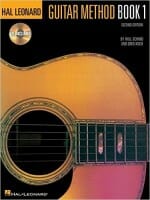
The second edition of this world-famous method by Will Schmid and Greg Koch is preferred by teachers because it makes them more effective while making their job easier. Students enjoy its easy-to-follow format that gives them a solid music education while letting them play songs right away. Book 1 provides beginning instruction including tuning, 1st position melody playing, C, G, G7, D7, and Em chords, rhythms through eighth notes, solos and ensembles and strumming.
Four Star Sight Reading and Ear Tests