M.Mus (U of T)
B.Mus (Oberlin)
Guitarist Gergely Szabo has an Advanced Diploma in Music Performance from Cambrian College where he majored in the classical guitar. Over his time there, he completed 2 years of comprehensive pedagogy courses. He also gained well grounded vocal skills, as well as basic knowledge on the piano. Outside of classical music, he exhibits a repertoire of skills and knowledge in playing the genres of rock, blues, and heavy metal music. He has experience in teaching the guitar and the ukulele to a range of people aged 6 to 54.
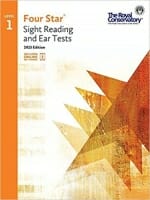
Gergely’s teaching methods include both the use of books and digital methods. The three main books he uses to teach guitar are as follows: “Guitar Method Book 1 by Will Schmid and Greg Koch,” “Four Star Sight Reading and Ear Tests RCM Level 1,” and “Classical Guitar Repertoire and Etudes RCM Level 1.” For teaching ukulele, he uses the book “Ukulele Songs for 1, 2, or 3 players by Elizabeth Ragsdale.” Aside from these, he frequently uses the Muse Score application as a play-along practicing tool.
Gergely’s passion for music and his dedication to growing the love of music in others are the biggest reasons why he teaches guitar and ukulele. His approach to teaching involves learning through play. The material he covers with his students is always delivered in a way that is highly interactive. Most of the assigned exercises he gives involve the elements of play that students can enjoy both in class and as homework.
Get to know Gergely…Beyond the Bio!
Coming soon!
Hobbies:
Musical influences:
Favourite food:
Least favourite food:
Favourite music:
Favourite album:
Favourite movie:
Favourite musical theatre/opera:
Best quote from your teacher:
Favourite quote:
Favourite book:
Latest Homework from Gergely
Is Gergely Your Teacher?
Sign up now to get your weekly assignments delivered, and never lose your homework sheet again!
ABC Voted Best in the City!

City Residents Choose ABC Academy
of Music as Best Music School
And we’re delighted! The York Guardian conducted a poll and we were chosen as Best Music Instruction and Best Tutoring Service in the City of York.
Being chosen means a lot to us, and we certainly work hard to earn your loyalty, which is invaluable to us. We are excited about a busy year at ABC, with more teachers and students than ever!
If you know anyone who might be interested in joining ABC this year as a student, we would gladly welcome and appreciate your referral. We always have some spots available for newcomers, and we do our best to get our most popular instruments to be as available as possible.
We hope you’ll join us again this year, and if you ever have any questions or concerns just call us – we are here to help!
Encouraging Pre-Literacy Skills in Children
Great Educational Videos
As many of you parents know, we teach a program for children up to 5 years old, called Music Together, which is a truly excellent program focused on the highest quality of education for babies through preschoolers that we could find.
One of the co-authors of the program, Dr. Lili Levinowitz, has a series excellent videos that are short, and to the point about ways that can boost interest and skills necessary to be successful readers. Like so many aspect of learning, parental involvement is a key factor in encouraging young children. Combining exposure to print with music is a really excellent way to stimulate the growth of these skills.
Please take the time to watch these videos – even if you are a parent of an older child – they won’t take more than 12 minutes, and are very enlightening.
Music Together Educational Moment Videos
Enjoy!
Preferred Books for Gergely’s Students
Click to buy them here, and they’ll come right to your house! What could be easier?
Hal Leonard Guitar Method
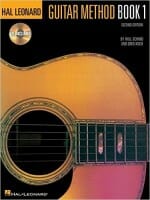
The second edition of this world-famous method by Will Schmid and Greg Koch is preferred by teachers because it makes them more effective while making their job easier. Students enjoy its easy-to-follow format that gives them a solid music education while letting them play songs right away. Book 1 provides beginning instruction including tuning, 1st position melody playing, C, G, G7, D7, and Em chords, rhythms through eighth notes, solos and ensembles and strumming.
Four Star Sight Reading and Ear Tests