M.Mus (U of T)
B.Mus (Oberlin)
Guitarist Gergely Szabo has an Advanced Diploma in Music Performance from Cambrian College where he majored in the classical guitar. Over his time there, he completed 2 years of comprehensive pedagogy courses. He also gained well grounded vocal skills, as well as basic knowledge on the piano. Outside of classical music, he exhibits a repertoire of skills and knowledge in playing the genres of rock, blues, and heavy metal music. He has experience in teaching the guitar and the ukulele to a range of people aged 6 to 54.
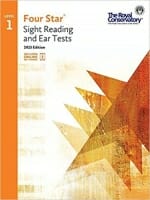
Gergely’s teaching methods include both the use of books and digital methods. The three main books he uses to teach guitar are as follows: “Guitar Method Book 1 by Will Schmid and Greg Koch,” “Four Star Sight Reading and Ear Tests RCM Level 1,” and “Classical Guitar Repertoire and Etudes RCM Level 1.” For teaching ukulele, he uses the book “Ukulele Songs for 1, 2, or 3 players by Elizabeth Ragsdale.” Aside from these, he frequently uses the Muse Score application as a play-along practicing tool.
Gergely’s passion for music and his dedication to growing the love of music in others are the biggest reasons why he teaches guitar and ukulele. His approach to teaching involves learning through play. The material he covers with his students is always delivered in a way that is highly interactive. Most of the assigned exercises he gives involve the elements of play that students can enjoy both in class and as homework.
Get to know Gergely…Beyond the Bio!
Coming soon!
Hobbies:
Musical influences:
Favourite food:
Least favourite food:
Favourite music:
Favourite album:
Favourite movie:
Favourite musical theatre/opera:
Best quote from your teacher:
Favourite quote:
Favourite book:
Latest Homework from Gergely
Is Gergely Your Teacher?
Sign up now to get your weekly assignments delivered, and never lose your homework sheet again!
Chris Away Dates for December & January
Hello Everybody!
We are writing to update you that Chris has an amazing opportunity to join and play with the Royal Shakespeare Company in England over a number of weeks in December and January for the second time, and that we are delighted to support him in this effort. How cool is that? We’ll ask him to provide some video for us to see if we can get a sense of what that looks like.
We are, as always, working to make sure the flow of lessons and learning is uninterrupted, so we have team member Jasmine and Thomas (who we will invite to the team as we have need) to cover dates for us. Not all are confirmed, but we wanted you to know that if you get notifications about lesson changes, this is what it is for.
Dates you will see a substitute are:
Saturday, November 23rd
Jack
Benny Greb Rhythmic Alphabet
–Spelling “JACK” and “DYLAN”
Using these words, play along to Sum 41: In too Deep
Tragically Hip: 50 Mission Cap
–Learning the beat (Bass-Snare-Bass-Snare) and playing along with the song while I play piano
Xylophone
–Learning the musical alphabet (ABCDEFG)
–Visually identifying C on the keyboard
–Spelling “Dad” and “Egg” on the keyboard
Koel
Warmups (1min each):
–Triplet Ex. 125bpm
–Ride pattern exercise with sixteenth exercise on the cymbal (goal tempo 90)
Van Halen: Jump up until Guitar Solo
–Drill the second Pre-Chorus section. The only parts that are tricky for you are first two measures and the last three measures. Drill each of these on their own, and then the Pre-Chorus passage before each run through
–Next week let’s do some Tommy Igoe
Aleksander
Warmups (30 sec each) goal tempo 160bpm:
–Single strokes (R L R L…)
–Double Strokes (R R L L….)
–Paradiddles (RLRR LRLL…)
–RLLR LRRL
Drumset Musician p14 ex. 4-6
ACDC: Back in Black–everything up until 2:49
–Bridge section: use the worksheet to practice this beat
–Once comfortable, listen to this recording and try playing along to this section
Tracie
Stone Temple Pilots: Plush
–Main beat: good work! You’ve pretty much got it up to speed. This week, drill this beat so that it becomes second nature
–Next week, we’ll get into learning various parts of the song
Jonah
Hannaford Frozen Theme music
–Practice Eb Major Scale (Eb-F-G-Ab-Bb-C-D-Eb) and arpeggios
–Opening section uses LRRLRRLR sticking
–Practice the notes on your keyboard at home, using your index fingers like mallets
Jared
Warmups:
–Stick Control ex 14-23 (70bpm)
—-Play each exercise 4 times
Bruno Mars: Locked Out of Heaven
–You’ve pretty much got this song finished! Only thing left to master is the half-time beat on the last page, and…
–Drill all blue-circled bits. They just need a little finessing
Mario
Warmups (1min/ea; slow, med, fast speeds)
–8 on a hand
–Single Stroke Roll (R L R L…)
–Double Stroke Roll (R R L L…)
White Stripes: Seven Nation Army COMPLETE
–Keep the pace up: you’re doing everything really well, you just need to trust yourself!
Drumset Musician p11, ex. 1-4*
–We didn’t work on this this week, but review it so that we can move on to the next exercises next time
Mateo
Warmups (30 sec each):
–8 on a Hand
–Single Stroke Roll (RLRL…)
–Double Stroke Roll (RRLL…)
**Think more skin on the stick (but not squeezing)
**Let the stick bounce off the drum
Drumset Musician p11 ex. 5-6 b)
–don’t crush your strokes! It’s as if you’re touching a hot pan–pick your hands back up quickly
–Go slow, and count
–Aim for four times through each exercise
First song!!! White Stripes: Seven Nation Army
–Today, we worked our way through the WHOLE SONG! This week, listen and play along to the song, either playing on your knees with your hands or on some pillows. Pay close attention to playing the right instruments during the right portions of the song.
Josh
Post Malone: I Had Some Help
–Good work on this!
–To help get that main beat coordinated at performance speed, isolate the “2 + 3” portion of it, making sure to line up the bass drums with the hihats. When isolated, you do a great job of this at high speeds. Can you bring the same coordination to the main beat overall?
–The pre-chorus fill (flam-bass…) is great! Make sure to play it four times, not three
Soca
–Cool new beat! Wahoo
–Next week I’ll bring some music we can practice our Soca along to
Preferred Books for Gergely’s Students
Click to buy them here, and they’ll come right to your house! What could be easier?
Hal Leonard Guitar Method
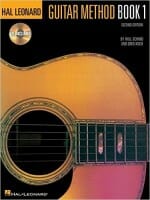
The second edition of this world-famous method by Will Schmid and Greg Koch is preferred by teachers because it makes them more effective while making their job easier. Students enjoy its easy-to-follow format that gives them a solid music education while letting them play songs right away. Book 1 provides beginning instruction including tuning, 1st position melody playing, C, G, G7, D7, and Em chords, rhythms through eighth notes, solos and ensembles and strumming.
Four Star Sight Reading and Ear Tests