M.Mus (U of T)
B.Mus (Oberlin)
Guitarist Gergely Szabo has an Advanced Diploma in Music Performance from Cambrian College where he majored in the classical guitar. Over his time there, he completed 2 years of comprehensive pedagogy courses. He also gained well grounded vocal skills, as well as basic knowledge on the piano. Outside of classical music, he exhibits a repertoire of skills and knowledge in playing the genres of rock, blues, and heavy metal music. He has experience in teaching the guitar and the ukulele to a range of people aged 6 to 54.
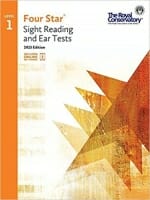
Gergely’s teaching methods include both the use of books and digital methods. The three main books he uses to teach guitar are as follows: “Guitar Method Book 1 by Will Schmid and Greg Koch,” “Four Star Sight Reading and Ear Tests RCM Level 1,” and “Classical Guitar Repertoire and Etudes RCM Level 1.” For teaching ukulele, he uses the book “Ukulele Songs for 1, 2, or 3 players by Elizabeth Ragsdale.” Aside from these, he frequently uses the Muse Score application as a play-along practicing tool.
Gergely’s passion for music and his dedication to growing the love of music in others are the biggest reasons why he teaches guitar and ukulele. His approach to teaching involves learning through play. The material he covers with his students is always delivered in a way that is highly interactive. Most of the assigned exercises he gives involve the elements of play that students can enjoy both in class and as homework.
Get to know Gergely…Beyond the Bio!
Coming soon!
Hobbies:
Musical influences:
Favourite food:
Least favourite food:
Favourite music:
Favourite album:
Favourite movie:
Favourite musical theatre/opera:
Best quote from your teacher:
Favourite quote:
Favourite book:
Latest Homework from Gergely
Is Gergely Your Teacher?
Sign up now to get your weekly assignments delivered, and never lose your homework sheet again!
Thursday April 18 Lessons – Erin P
Sounds like you all had a great, productive time with Emmett! Here are *his* notes for the week:
Liam
technical requirements are slowing down! Talked about relative minor, C major, Am hands together 2 octaves, G maj 2 octaves. Started to slow down for the end of scales, keeping consistent and EVEN on the way down. Focus on evenness. Dmin natural Mel and harm. Hands separate and then together. Working in visualizing scales before we play them to avoid playing wrong notes the first time.
Witches and wizards – memorized, take it slow, emphasis on control! Talked about pedal control and when to pedal! Slow practise emphizes the mistakes and you can highlight them. Work on time slowly. Memorize dynamics and keep the Piece interesting, lightweight dynamic more!
Walk the talk, good sense of time! Trying not to slow!
Marita
C. Major both hands, 2 octaves! Key signature? G major, breaking hands apart and then putting back together for fingering! Remembering left hand fingering coming down.
Learned the chords and melody with rhythm to Havana (Camila Cabelo)
Katarina
Learned chord terminology!! Went over chord pattern of C-Am-F-G. Did Perpetual motioning C and G! Watching left hand fingering! Focusing on fingering!
Learned the chords for Over the Rainbow.
Sara
G major, hands together, evenness and tempo! E min, harm, B maj, G min, nat, mel, harm,
Arp, C major, Eb major, right hand,
Chromatic scale!
Ballade – Good dynamics! Take fermatas longer, transitions smoother! Overall lovely phrasing and dynamics! Metronome,
Cloud dance – pedalling! Note pedal. Swells and slurs not want to hear the pedal.
Air in B flat – Nice tempo, a little ghost notes at times. Soaring through notes! No speeding up.
Sonatina in C major – bring out the melody, no speeding up, slow practise on hard sections!
Nightime in the city – Nice swing feel, slow it down for accuracy.
Take the A train – Had a lovely chat about jazz
Marco
Morning fanfare – good use of dynamics! Staccatos and slurs! Focus on accuracy and slowing don to catch all the articulations. Fermata, practised motion for left hand staccatos while the right is not! Don’t rush the 16th notes.
Minuet in C – 3/4 waltz feel, work on your tempo while playing slowly to not speed up. Watch your ties! Dont play the note twice! Keep your eyes up to not lose your place!
Song of the dark woods – dynamics, slower to remain in control! Watch you ties again, don’t just trust your ear. Look up at the music as you go. Dont try and muscle through at a fast tempo.
Daniel
Formula patterns, C major, left hand fingering. G major, A minor, slow because its new, same pattern as C.
The wind – Pedalling, watch the time switches, take it at a reasonable tempo. Good sense of pianissimo. Working on pedalling. Practise good fingering for parts that need to have a smooth connected feeling.
Entree in A minor – take it slow and connected to understand it fully, watch the octave you play the right hand in, dynamics. Wrist position higher to let the fingers move less, it’s less punchy by a long shot.
Periwinkle twinkle – Watch for rests in the right hand, slow down and get accurate. Staccato last note! Dynamics!
Breezy – watch the eighth note lines. Find the hard parts and then play the whole thing that tempo! Consistency!

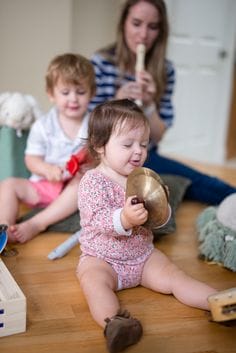
How music stimulates nearly every area of children’s brain
Do you ever wonder how to stimulate your baby’s or toddler’s brains and development? Check out this well informed advice, plus easy and affordable ways to reach that goal!
Music has the incredible power to transcend language and culture, speaking to our souls in a way that words often cannot. For toddlers, this universal language of rhythm and melody holds an even more profound significance. Research has shown that music can stimulate almost every area of a toddler’s brain, fostering cognitive, emotional, and social development. It is a built-in, easy way to connect with the youngest people in the world.
In this blog post, you will explore the remarkable ways in which music engages and nourishes the growing minds of your toddlers.
Music fosters babies’ & toddlers’ cognitive development

Music stimulate your baby’s or toddler’s brains and development. Picture from Pinterest.
Language Skills
- Language acquisition is a pivotal aspect of a toddler’s cognitive development. Music introduces toddlers to new words, rhythms, and patterns, helping them expand their vocabulary.
- Songs with repetitive lyrics, like nursery rhymes, aid in memory and language retention. They become familiar with sounds, syllables, and phonetics through singing along.
Mathematical and Spatial Skills
- Music involves counting beats, understanding rhythm, and recognizing patterns. Combined with structured physical activities, these activities enhance your toddlers’ mathematical and spatial reasoning.
- Concepts such as tempo, timing, and sequencing are naturally learned through music, setting the foundation for future mathematical skills.
Memory and Recall
- Toddlers often amaze us with their ability to remember the lyrics to their favorite songs. This is because music aids memory and recall, reinforcing cognitive development.
- Singing songs with a storyline, like “Eensy, Weensy Spider” helps children develop narrative and sequential memory skills.
Not sure about what program to choose?
Check it out at and learn more about ABC Academy of Music and its tailored programs for kids of all ages https://www.music-lessons.ca/toronto/classes/
Language acquisition is a pivotal aspect of a toddler’s cognitive development
Music classes and emotional development
Expressing Emotions
- Music allows your toddlers to express a wide range of emotions in a safe and creative way. They can dance joyfully to upbeat tunes or calm down with soothing melodies.
- Singing about feelings in songs like “If You’re Happy and You Know It” teaches toddlers to identify and express their emotions.
Empathy and Social Skills
- Singing songs that involve cooperation, like “Row, Row, Row Your Boat” in a group setting, encourages social interaction and teamwork while developing motor skills through collaboration.
- Music can also help toddlers understand the emotions of others, fostering empathy as they listen to the tone and lyrics of songs.
Promote physical development with music
Motor Skills
- Dancing and moving to music promote the development of gross and fine motor skills. Toddlers learn coordination and balance while grooving to the beat.
- Instruments like shakers or tambourines enhance hand-eye coordination and fine motor skills.

Music allows your toddlers to express a wide range of emotions in a safe and creative way. Picture from Pinterest.
Social Development
- Bonding and Connection
- Singing songs with caregivers and peers creates bonds and connections. Music is a shared experience that promotes social interaction and strengthens relationships.
- Group music activities, such as singing circles, encourage toddlers to take turns, share, and cooperate.
Music-making is a powerful tool that engages almost every area of a person’s brain. It enriches cognitive development, stimulates emotional growth, enhances physical skills, and fosters social interaction. Whether through nursery rhymes, lullabies, or dance parties, parents and caregivers can harness the magic of music to nurture the minds and hearts of their toddlers. So, let the rhythm and melodies fill your home, and watch your little one’s brain bloom with the harmonious benefits of music.
Book your free demo class of Music Together and let your child get the most of our tailored programs, that stimulates emotional growth by activities full of fun at https://www.music-lessons.ca/toronto/classes/
Follow us in our social channels to know more about the benefits of music lesson for adults in Toronto and other areas as well.
PS – DID YOU FIND THIS INTERESTING?
Check out our post:
“Music for toddlers: crafting a sensory-rich experience bringing happiness and calm.”
**Link is is Progress**
Additional Reading for Your Interest:
Baby Music: the soundtrack to development
The importance of music in the development of toddlers
Preferred Books for Gergely’s Students
Click to buy them here, and they’ll come right to your house! What could be easier?
Hal Leonard Guitar Method
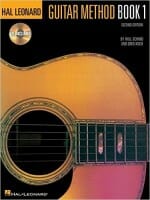
The second edition of this world-famous method by Will Schmid and Greg Koch is preferred by teachers because it makes them more effective while making their job easier. Students enjoy its easy-to-follow format that gives them a solid music education while letting them play songs right away. Book 1 provides beginning instruction including tuning, 1st position melody playing, C, G, G7, D7, and Em chords, rhythms through eighth notes, solos and ensembles and strumming.
Four Star Sight Reading and Ear Tests