M.Mus (U of T)
B.Mus (Oberlin)
Guitarist Gergely Szabo has an Advanced Diploma in Music Performance from Cambrian College where he majored in the classical guitar. Over his time there, he completed 2 years of comprehensive pedagogy courses. He also gained well grounded vocal skills, as well as basic knowledge on the piano. Outside of classical music, he exhibits a repertoire of skills and knowledge in playing the genres of rock, blues, and heavy metal music. He has experience in teaching the guitar and the ukulele to a range of people aged 6 to 54.
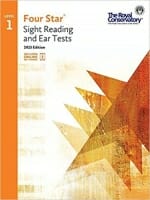
Gergely’s teaching methods include both the use of books and digital methods. The three main books he uses to teach guitar are as follows: “Guitar Method Book 1 by Will Schmid and Greg Koch,” “Four Star Sight Reading and Ear Tests RCM Level 1,” and “Classical Guitar Repertoire and Etudes RCM Level 1.” For teaching ukulele, he uses the book “Ukulele Songs for 1, 2, or 3 players by Elizabeth Ragsdale.” Aside from these, he frequently uses the Muse Score application as a play-along practicing tool.
Gergely’s passion for music and his dedication to growing the love of music in others are the biggest reasons why he teaches guitar and ukulele. His approach to teaching involves learning through play. The material he covers with his students is always delivered in a way that is highly interactive. Most of the assigned exercises he gives involve the elements of play that students can enjoy both in class and as homework.
Get to know Gergely…Beyond the Bio!
Coming soon!
Hobbies:
Musical influences:
Favourite food:
Least favourite food:
Favourite music:
Favourite album:
Favourite movie:
Favourite musical theatre/opera:
Best quote from your teacher:
Favourite quote:
Favourite book:
Latest Homework from Gergely
Is Gergely Your Teacher?
Sign up now to get your weekly assignments delivered, and never lose your homework sheet again!
Thursday April 11 Lessons – Erin P
WOW today I heard some lovely music! I’m very proud of the work each of you is putting in.
NEXT WEEK MY COLLEAGUE EMMET WILL BE TEACHING YOUR LESSONS. I am very excited for this opportunity for another set of ears to hear your work and share fresh opinions.
Liam
Minuet in G – Amazing progress for 1 week! Be sure to notice the LH differences between phrase 1 and 2 in the opening section. This week, explore the rest of the piece.
Sonatina in G major – Notice the rests and be picky, notice which note in the other hand is being played at the exact moment the rest stops and think “when this note goes down, this hand lifts up”. Be sure the LH Alberti bass 8th notes do not drown out the RH melody, also be very aware of your physical approach to this section to minimize any unncessary tension and leaning away from the piano. Be sure you are sitting far enough away from the keyboard.
Walk the Talk – Love love love the texture of your LH and the balance between the hands. Be sure that any of your beat 4 quarter notes are truly full quarter notes, not 8th notes.
Witches and Wizards – Use a metronome with the clicks falling on beats (1) 2 3 (4) 5 6. Evenness is the point and is sounding solid.
*New* Prelude VII – Listen here. The LH must be very understated and quiet, watch that your thumb does not thump down heavy. Ensure to hold down the whole notes with finger 4 or 5 as well.
Technique – Big improvement in confidence! Keep focusing on fingering for your scales.
Katarina
The Honey Tree
If There Were No Bees
C Major triad – “crab” (broken) style. CEG EGC GCE CEG, you are improving tons! RH fingering 135 125 135 135. LH 531 531 521 531.
Marita
Lonely Shepherd – etude book. Even though this piece changes between many key signatures, the steady pulse of the 8th notes Never changes. You can count aloud based on how the beams of the notes are connected, (example 1-2-3 1-2) rather than 12345.
Sara
Air in Bb – Great attention to articulation detail! Today when we played the LH independently, you noticed how beautiful its melody is – try playing it by itself and getting it “in” your ear, then put it back hands together and see if you can still hear the beautiful LH line.
Sonatina in C – Phrase endings are sounding so much more pronounced, great job. I would turn on the metronome and ensure you are not rushing, you are in the correct ball park for this upbeat piece, but sometimes it borders on hectic sounding. Be picky with rests.
Nighttime – in the middle of the piece, there are two RH chords marked with tenutos, rather than staccato, and I wrote “long” over them. Really nice groove, sounds very confident. Bigger dynamic range.
Cloud Dance – I really liked your two-note slurs today. Don’t slow down at the climax of the piece (where we drew the sunrise) and instead wait until the end of that line to get dramatic with the tempo.
Ballade – When it goes to C major, ensure you keep the RH legato within the phrases. On the second page, do not reach peak crescendo too early, instead milk the piano to forte growth gradually.
Technique is all great! Continue to prioritize dynamics and making all the technical skills sound truly beautiful and like they are a piece of music.
Marco
Minuet in C – dust this one off.
Song of the Dark Woods – dust this one off, be picky with the fingering.
The Snake – Fantastic effort! There are no rests in this piece, so when one hand finishes its line and the other hand begins, keep sustaining that note throughout. The dynamics are quite intuitive, think of the snake being charmed out and becoming louder as the notes go higher.
Morning Fanfare – Great work! More dynamic contrast for the opening echo please. M 17-23 make sure the last two 8th notes of each measure are going down at the exact same time and not sounding messy or split.
Technical skills – triads are sounding fantastic! Give the scales some extra love and pay attention to the fingering when you reach that second octave.
Daniel
Entree – the format of this one is play all the way to the end, go to the start and then finish at fine. You will play the piece “1.5 times” in the exam. Be sure you are not trilling more than necessary, and also begin on the note ABOVE the main written note.
Periwinkle Twinkle – Great attention to detail on fixing all the little spots! I also really like this more laidback tempo you’re using. Continue to spot practice m6, and make sure your LH is playing the Bb.
Breezy – Today you did awesome copying my demonstrations, specifically of the lifts in line 2. Copy her in your practice sessions!
The Wind – dust this one off. Prioritize evenness and remember not to add in extra beats when it changes to 3/4, simply float across the bar line.
Technique – nice improvement! Remember to keep a consistent blue-ber-ry feel for the triads.
Parental involvement: whatever you guys did worked great last week! Continue to push him to make effective practicing choices, through the lens of “being proud of a job well done is its own reward, and a job well done only comes from hard work.” Remind him there is no doubt of his passion, talent or love of music, but the experience he has in the exam room will be in direct correlation to the practicing leading up to it.
Greta
Minuet in F – Great job! Watch your Bbs in the LH. The second to last phrase ending is “the odd one out” that doesn’t have the bouncey 3 note descending LH, and instead just one held LH note. Add in bigger more dramatic dynamics.
Red Satin Jazz – dust this one off with careful counting and fingering. Listen here if needed.
Follow the Leader – Excellent work! All of your 3 note slurs are perfect. Now play staccato when written (95% of all quarter notes in this piece are staccato). Play them like a chicken pecking the ground.
*New* Detectives – First 2 lines. The LH bounces up and down triads, first G minor, then F major, then G minor, then Ab major. Do not worry about stretching your hand big because you get to bounce each note. The RH requires some finger independence getting used to in this key. 42, then 13, back to 42, then 53. You can practice this away from the keyboard on a tabletop, trying to have the 2 fingers hit the table at the exact same moment. Dynamics will be intuitive and important to bringing the story to life.
Technique – AWESOME improvement!! I like your way of thinking of 3 then 4 then 3 then 4 in the RH, for the fingers directly prior to the thumb under movement.
How music might reduce stress and tension in teenagers?
Teenagers today face a myriad (countless) of stressors that can take a toll on their mental and emotional well-being. Academic pressures, social challenges, the constant influx of information through digital devices, and other facts can contribute to heightened stress and tension in adolescents.
In this blog post, you will explore how music, specifically through music lessons, can be a powerful tool to alleviate stress and tension in teenagers. If you are interested in music lessons for teenagers and its benefits, you are on the right track!
The Power of Music

Music can uplift teenager’s mood. Picture from Pinterest.
Music is a universal language that transcends cultures, undeniably, music has a profound impact on human emotions.
Its therapeutic qualities have been recognized for centuries. In recent years, scientific studies have provided evidence of the positive effects of music on mental health.
- Emotional regulation: whether listening to or creating music, teenagers can effectively process and regulate their emotions. Music serves as a constructive outlet for self-expression, empowering them to channel their feelings in a positive, and healthy manner.
- Stress reduction: engaging with music has been proven to lower the production of stress hormones, such as cortisol. This reduction promotes a profound sense of relaxation and tranquility, offering teenagers a reprieve from the pressures they encounter in their daily lives.
- Mood enhancement: explore the uplifting impact of specific music genres and rhythms on a teenager’s mood. Therefore music acts as a powerful escape, providing a refreshing break from the challenges they face, contributing to improved emotional well-being.
- Boost focus and concentration: encourage teens to learn a musical instrument for enhanced focus and concentration. The skills acquired in music practice can extend beyond the notes, and positively influencing other aspects of adolescents lives, including academic pursuits.
Incorporating music lessons into a teenager’s routine can be a valuable tool for fostering emotional resilience, and overall well-being.
Music Lessons and its benefits
Here’s how our music lessons can be particularly beneficial for you in reducing stress and tension:

Music has positive effects on mental health. Olivia’s Rodrigo picture, from Pinterest.
- Structured learning: music lessons provide teenagers with a structured environment that encourages discipline and time management. Skills that can help them manage stress more effectively.
- A sense of achievement: learning to play an instrument or mastering a piece of music provides a sense of accomplishment that can boost teenagers self-esteem. This reduce feelings of inadequacy or self-doubt.
- Social connection: group lessons and ensemble activities at ABC Academy of Music allow teenagers to connect with peers who share their interests, fostering a sense of belonging and reducing social isolation.
- Mindfulness and relaxation: playing music requires focus and mindfulness, which can help teenagers unwind and clear their minds after a stressful day.
- Self-expression: music is a powerful form of self-expression. Through their music lessons, teenagers can express their emotions and thoughts, helping them process and cope with stressors in their lives.
- Soothing and creative outlet: in a world where teenagers are constantly bombarded with stressors.
Music lessons not only teach musical skills but also provide invaluable tools for reducing stress and tension. Learn more at ABC Academy of Music https://www.music-lessons.ca/ (piano lessons, guitar lessons, drums lessons, violin lessons, and other musical instruments).
By harnessing the power of music, teenagers can find respite from their daily challenges and cultivate a lifelong passion that promotes mental and emotional well-being.
PS – Did you find this interesting?
Check out our post: “ Music and its influence in health and well being ”
*Link in progress*
Additional Reading for Your Interest:
Influence of music on the hearing and mental health of adolescents and countermeasures
Preferred Books for Gergely’s Students
Click to buy them here, and they’ll come right to your house! What could be easier?
Hal Leonard Guitar Method
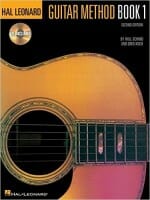
The second edition of this world-famous method by Will Schmid and Greg Koch is preferred by teachers because it makes them more effective while making their job easier. Students enjoy its easy-to-follow format that gives them a solid music education while letting them play songs right away. Book 1 provides beginning instruction including tuning, 1st position melody playing, C, G, G7, D7, and Em chords, rhythms through eighth notes, solos and ensembles and strumming.
Four Star Sight Reading and Ear Tests