M.Mus (U of T)
B.Mus (Oberlin)
Guitarist Gergely Szabo has an Advanced Diploma in Music Performance from Cambrian College where he majored in the classical guitar. Over his time there, he completed 2 years of comprehensive pedagogy courses. He also gained well grounded vocal skills, as well as basic knowledge on the piano. Outside of classical music, he exhibits a repertoire of skills and knowledge in playing the genres of rock, blues, and heavy metal music. He has experience in teaching the guitar and the ukulele to a range of people aged 6 to 54.
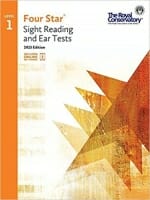
Gergely’s teaching methods include both the use of books and digital methods. The three main books he uses to teach guitar are as follows: “Guitar Method Book 1 by Will Schmid and Greg Koch,” “Four Star Sight Reading and Ear Tests RCM Level 1,” and “Classical Guitar Repertoire and Etudes RCM Level 1.” For teaching ukulele, he uses the book “Ukulele Songs for 1, 2, or 3 players by Elizabeth Ragsdale.” Aside from these, he frequently uses the Muse Score application as a play-along practicing tool.
Gergely’s passion for music and his dedication to growing the love of music in others are the biggest reasons why he teaches guitar and ukulele. His approach to teaching involves learning through play. The material he covers with his students is always delivered in a way that is highly interactive. Most of the assigned exercises he gives involve the elements of play that students can enjoy both in class and as homework.
Get to know Gergely…Beyond the Bio!
Coming soon!
Hobbies:
Musical influences:
Favourite food:
Least favourite food:
Favourite music:
Favourite album:
Favourite movie:
Favourite musical theatre/opera:
Best quote from your teacher:
Favourite quote:
Favourite book:
Latest Homework from Gergely
Is Gergely Your Teacher?
Sign up now to get your weekly assignments delivered, and never lose your homework sheet again!
Saturday March 23 Lessons – Erin P
Glad to hear you all had a great March break! Everyone is sounding great too, nice work!
NO LESSON NEXT WEEKEND. I AM AWAY FOR EASTER WEEKEND, ENJOY THE TIME WITH YOUR FAMILIES AND SEE YOU ON APRIL 6TH
Hakim
Dummy! – RH part in G minor as written.
*New* Raptors – up until star. This piece is in D minor position. Your LH finger 2 is going to reach above to play the Bb, and also will play the G# so that your thumb can stay on A. RH melody sounds like “in the hall of the mountain king”. Use fingers 2 and 4 as written for the changing notes with accidentals. Listen here.
Keep working on your C major triad patterns. See here.
Maria
Viva la Vida – fix “dead, long live the king” measure timing. Discuss with your vocalist if you are going to be doubling the melody or if you are just going to play the instrumental part.
*New* Fundoodle – Listen here. This piece uses a Ton of triad shapes and inversions. It mostly is all C, F and G with some accidentals thrown in for flair. The LH will be your steady rock that any syncopation can bounce off of.
Shakira
*New* Going Undercover – this piece is in C minor position. It uses 2 different 2-bar patterns that alternate to create the feeling of a soundtrack. At first the LH descends from C in whole and half notes, then later, the LH ascends from C in quarter notes. Focus on evenness and use rotation of the wrist to make the 3121 RH fingering easier. This is what it sounds like.
Bryson Tiller – We simplified the chords by taking out some notes. Play around with going between these freely.
Noreet
*New* A Mixed Up Song – this piece has different melodic ideas that repeat throughout the song. At first the part with lyrics is done by the RH, and later on, it is done by the LH, but it is still the same notes and tune, just in a different octave. Great job noticing which parts have staccato markings! Listen here.
C Major Contrary motion scale – these are sounding really great and consistent!
C Major triads – this is our big project to master these for the end of the year. See here.
Grace
Take care of your wrist! Rest it and don’t play through any pain.
Pieces from Journey – I think Apotheosis is a great starting place. Practice not just getting the accented groups of 2 notes in time, but landing on beat 1 of the next bar in time as well.
Improve Pre-Literacy and Pre-Numeracy Skills Through Music
How to improve kids pre-literacy and pre-numeracy skills? Early childhood is a critical time for developing fundamental skills that lay the foundation for future learning. Pre-literacy and pre-numeracy skills are vital components of a child’s cognitive development, and incorporating music-related activities, and music classes into their daily routine can make the learning process not only educational but also incredibly enjoyable.
In this article, you’ll explore various ways to use music lessons, music related programs, and activities to enhance these essential expertness.

Incorporating music-related activities into your children daily routine enhance pre-literacy skills. Picture from Pinterest.
Sing-along Songs
One of the easiest and most impactful ways to introduce children to the captivating realms of music and language is through sing-along songs. Although classics like “Twinkle, Twinkle, Little Star,” “Baby Shark,” or “You Are My Sunshine” serve as excellent initial steps for fostering literacy and numeracy development, they offer more than just a starting point. These tunes are treasure troves of rhymes and repetitive patterns.
These rhythmic and patterned elements play a crucial role in helping children grasp concepts such as rhythm, rhyme, structure, and sequences, laying a strong foundation for enhance your children pre-literacy and pre- numeracy skills.
To elevate the experience, consider incorporating physical movements or actions that align with the song lyrics. The key is to keep it dynamic, avoiding a routine that becomes predictable. This approach not only boosts motor skills but also transforms learning into an interactive adventure, fostering concentration and engagement.
Watch our video about our early childhood music programs to learn more about our music programs for preschoolers, toddlers and babies https://www.music-lessons.ca/toronto/classes/
Musical lessons for children and musical instruments
Introducing your children to musical instruments is a fantastic way to stimulate their curiosity and creativity. Age- and size-appropriate Instruments like small shakers, tambourines, xylophones, and drums can be used to create a world of sound exploration. Encourage your kids to experiment with these instruments and discover the different sounds they can produce.
You can also easily make your own crafty, do-it-yourself instruments at home, which is a great activity to share with toddlers and preschoolers. Additionally, we can teach basic counting by tapping out rhythms or counting beats together. This is a subtle way to introduce early numeracy while having fun with music.
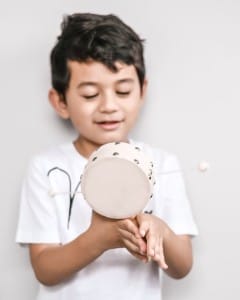
Small shakers, tambourines, xylophones, and drums can create a world of sound exploration, besides increasing pre-literacy skills.
Listening and Responding
Active listening can be honed through music. Play a variety of music genres and encourage your children to listen attentively. Asking questions like, “What instruments do you hear?” or “How does this music make you feel?”. These questions help your kids to build vocabulary and emotional awareness. Call and response is a huge part of music, and a huge part of life, growing conversational and listening dexterity without them knowing.
Using descriptive words like fast, slow, loud, and soft to describe the music. This not only expands their vocabulary but also helps them express their feelings and preferences.
Book a free demo class for your kid at https://www.music-lessons.ca/toronto/classes/
Storytelling Through Music (ABC Academy of Music)
Combine the power of storytelling with music to boost pre-literacy skills. Create simple stories or narratives using songs as the backdrop. For instance, take a classic song like “The Itsy Bitsy Spider” and turn it into a captivating story about a spider’s adventure.
Encourage children to add their own twists to the story, fostering creativity and narrative skills. This activity not only enhances language development but also sparks their imagination.
Combining the power of storytelling with music to boost pre-literacy skills. Picture from Pinterest.
Alphabet and Number Songs
Alphabet and number songs are fantastic tools for teaching pre-literacy and pre-numeracy skills. Classics like “ABC” and “One, Two, Buckle My Shoe” can be both educational and entertaining (once again, as an introduction to music and development, as there is a world of music out there!). Singing songs like these regularly reinforce letter and number recognition, as well as sequences.
Incorporating music lessons into early childhood education is a delightful and effective way to enhance kids and toddlers abilities. Through sing-along songs, musical instruments, active listening, storytelling, and alphabet/number songs, children can develop essential cognitive skills while having a blast. Remember that the key to successful learning is making it enjoyable, so be enthusiastic, patient, and, most importantly, have fun with your little ones as they embark on their educational journey through music programs and music lessons.
Music activities for children, Pro Tip – there are books out there that are designed to work with music, providing visuals and stories, objects, and number opportunities to get your children school-ready with music you already know. They are an internet search away!
Book your free demo class of Music Together and let your child get the most of our tailored programs, that stimulates cognitive and emotional growth by activities full of fun at ABC Academy of Music https://www.music-lessons.ca/toronto/classes/
ABC Academy of Music in Toronto / Music school at Toronto, Music Together programs and music related activities in Toronto GTA, Music lessons and Music Together program at Brampton, Caledon, Woodbribge Vaughan and other locations, offer amazing music lessons and tailored program for your children at any age. Our schedule is suitable with your busy lifestyle.
Follow us on our social channels to know more about the benefits of music lessons for preschoolers, and don’t miss our news!
PS – DID YOU FIND THIS INTERESTING?
Check out our post:
“Music in early stages of childhood: nurturing feelings of closeness and protection”
* Link is in PROGRESS*
Additional Reading for Your Interest:
Introducing your children to musical instruments
Preferred Books for Gergely’s Students
Click to buy them here, and they’ll come right to your house! What could be easier?
Hal Leonard Guitar Method
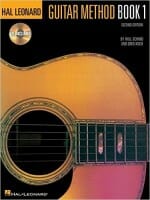
The second edition of this world-famous method by Will Schmid and Greg Koch is preferred by teachers because it makes them more effective while making their job easier. Students enjoy its easy-to-follow format that gives them a solid music education while letting them play songs right away. Book 1 provides beginning instruction including tuning, 1st position melody playing, C, G, G7, D7, and Em chords, rhythms through eighth notes, solos and ensembles and strumming.
Four Star Sight Reading and Ear Tests