M.Mus (U of T)
B.Mus (Oberlin)
Guitarist Gergely Szabo has an Advanced Diploma in Music Performance from Cambrian College where he majored in the classical guitar. Over his time there, he completed 2 years of comprehensive pedagogy courses. He also gained well grounded vocal skills, as well as basic knowledge on the piano. Outside of classical music, he exhibits a repertoire of skills and knowledge in playing the genres of rock, blues, and heavy metal music. He has experience in teaching the guitar and the ukulele to a range of people aged 6 to 54.
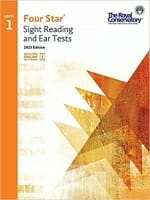
Gergely’s teaching methods include both the use of books and digital methods. The three main books he uses to teach guitar are as follows: “Guitar Method Book 1 by Will Schmid and Greg Koch,” “Four Star Sight Reading and Ear Tests RCM Level 1,” and “Classical Guitar Repertoire and Etudes RCM Level 1.” For teaching ukulele, he uses the book “Ukulele Songs for 1, 2, or 3 players by Elizabeth Ragsdale.” Aside from these, he frequently uses the Muse Score application as a play-along practicing tool.
Gergely’s passion for music and his dedication to growing the love of music in others are the biggest reasons why he teaches guitar and ukulele. His approach to teaching involves learning through play. The material he covers with his students is always delivered in a way that is highly interactive. Most of the assigned exercises he gives involve the elements of play that students can enjoy both in class and as homework.
Get to know Gergely…Beyond the Bio!
Coming soon!
Hobbies:
Musical influences:
Favourite food:
Least favourite food:
Favourite music:
Favourite album:
Favourite movie:
Favourite musical theatre/opera:
Best quote from your teacher:
Favourite quote:
Favourite book:
Latest Homework from Gergely
Is Gergely Your Teacher?
Sign up now to get your weekly assignments delivered, and never lose your homework sheet again!
How Music Lessons for Kids Boost Social Skills
Music boost children’s social skills and it’s a universal language that has the power to connect people, evoke emotions, and foster creativity. While the benefits of music education are well-documented, one often overlooked aspect is its impact on social skills, especially when it comes to children.
In this blog post, we’ll explore how music lessons for kids can significantly enhance your kids social skills and why you as a parent should consider enrolling them in music lessons programs in person or online.
Communication and Collaboration
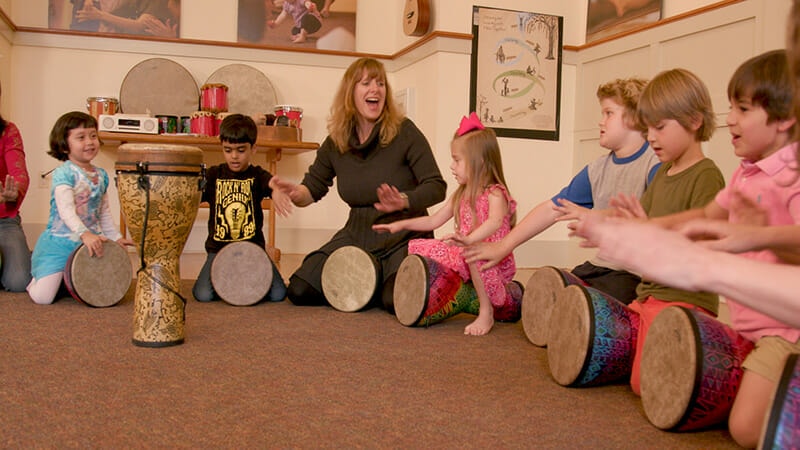
One of the most apparent ways in which music lessons benefit kids’ social skills is through communication and collaboration. Music requires children to work together with a teacher or coach, as part of an ensemble, whether it’s a choir, orchestra, or band. These group dynamics teach kids to listen, express themselves, and respect the contributions of others.
Through playing in harmony and synchronizing their efforts, children learn valuable lessons in teamwork that are transferable to various social and professional situations.
Increased Empathy and Connection
Music has the unique ability to convey emotions and stories without words. When kids engage with music lessons at any age, they often immerse themselves in the feelings and stories the music represents.
This can lead to an increased sense of empathy as they learn to understand and appreciate the emotions conveyed in music, as well as a listener. Developing empathy is a crucial skill in building healthy and meaningful relationships.
Learn more about ABC Academy, music lessons for kids, https://www.music-lessons.ca/
Building Confidence
Confidence is a key component of useful social and professional skills. Music lessons provide kids with opportunities to perform in front of others, whether it’s in a recital, school assembly, or even just playing for family and friends.
These experiences help kids build self-esteem and confidence in their abilities, making them more comfortable in social situations where self-assuredness is essential. It also provides a practice opportunity for the kinds of presentations they will likely need to make professionally, whether in an interview, or at a conference.
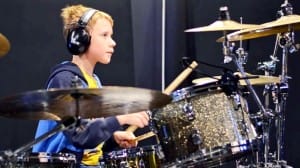
Improved Communication Skills
Learning to play a musical instrument or sing involves understanding and interpreting notation, which can be likened to learning a new language. Through music, children develop stronger linguistic and analytical skills, which can boost their confidence in verbal communication.
Enhancing one’s communication skills through musical learning can lead to more effective interactions with both peers and adults. This is because the ability to listen, consider, and respond in a structured and collaborative manner is a fundamental aspect of musical education.
Patience and Persistence
Music lessons for kids often require them to practice regularly, which instills patience and persistence. These qualities are not only beneficial for mastering musical skills but also for handling interpersonal relationships. Kids learn that achieving success in any endeavor, whether musical or social, often requires and builds dedication and resilience.
Incorporating music lessons into your children’s education can be a powerful tool for enhancing their social skills. Communication, collaboration, empathy, confidence, improved communication skills, and the ability to persist and be patient are all valuable lessons that your kids can carry with them throughout their lives.
Playing an instrument (taking Piano, Guitar, Drums, Violin lessons, or any other musical instrument lessons), not only enriches their quality of life but also equips your children with the tools they need to navigate the complexities of human interaction. So, if you’re a parent or guardian looking to give your child a head start in developing strong social skills, consider enrolling them in music lessons – the benefits will resonate long after the final note has been played.
Get to know us ABC Academy of music
PS – Did you find this interesting? Check out our post:
“FEELING THE BEAT: How Rhythm Enhances Kids’ Motor Skills, Timing, and Coordination”
**Link in progress**
Follow us on our Social and don’t miss out the newest about ABC Academy of music
Additional Reading for Your Interest:


Music lessons? 12 tips to enhance your lifestyle with Music
Playing an instrument, getting music lessons, or listening to music can be a powerful stress reliever. It can help reduce anxiety and promote relaxation, making it an excellent way for adults to unwind after a long day.
Whether you’re a seasoned musician or a complete novice, incorporating music into your daily routine can significantly enhance your lifestyle. In this blog post, you´ll know 12 pro-tips that can help you make the most of your music lessons and experience the transformative power of music in your life.
Tips
Choose the right instrument and enjoy it
When embarking on a musical journey, selecting the right instrument is crucial. Consider your personal preferences, physical attributes, and the type of music that resonates with you. Whether it’s a guitar, drums, piano, violin, or any other instrument, the right choice will make your musical experience more enjoyable. Learning to play an instrument or sing can be a fulfilling and enjoyable hobby!
Think of it this way; instruments have personalities, so you want to be sure you feel interested and excited about it. Trust your instincts. If you played something as a kid and didn’t love it, why go back?
Set realistic goals and give yourself permission and flexibility
Setting achievable goals is essential for progress. Break down your musical aspirations into small, manageable milestones. Whether you aim to play a simple tune or perform at a concert, having clear objectives will keep you motivated and on track. Practicing an instrument or vocal exercises regularly requires discipline and time management. These skills can be translated into other areas of life as well.
Most importantly, you want to find a teacher that can support your busy and/or changing lifestyle from week to week. Your ability to dedicate time to an instrument may change week to week, so you need a partner in your teacher that understands your schedule and can help you both set expectations that you can meet every week, which will make your experience and music lessons way more satisfying. You have to give yourself permission to be flexible this way, and you’ll always feel successful.

Find a skilled teacher and boost confidence
A knowledgeable and experienced teacher can make a huge difference in your musical journey. Looking for someone who aligns with, understands, and supports your musical lessons interests and can provide personalized guidance is essential. Regular music lessons with a skilled teacher is key to accelerate your learning and ensure you acquire proper techniques. As you progress in your musical journey and achieve goals, it can significantly boost your self-esteem and confidence.
ABC academy of music count with qualified teachers, check our students testimonials at https://www.music-lessons.ca/toronto/adults/
Practice consistently, for mental and physical benefits
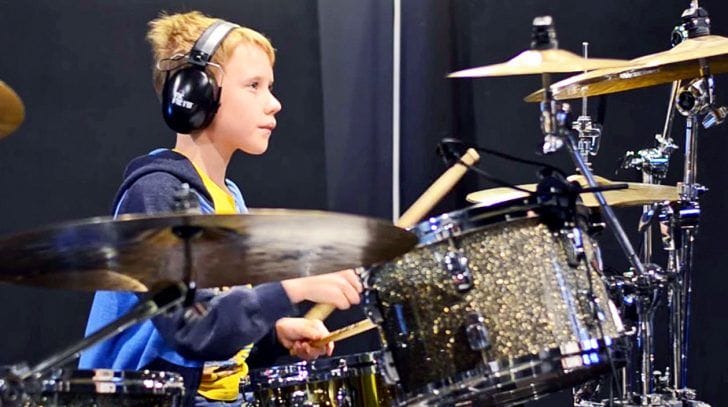
Consistency is key to mastering any skill, and music is no exception. Dedicate a specific time each day to practice, even if it’s just for a short time. Regular practice will help you build memory skills and improve your musical abilities steadily. Similarly, it could be a Physical Activity, some music lessons, such as dance or drumming lessons, involve physical movement. This can be a great way to get some exercise and improve coordination while having fun.
Remember that consistency doesn’t mean that you always practice the same amount…often the key factor is to do what we call approaching the instrument at the same time or on the same schedule on an ongoing basis, even during those busy weeks. If you can only give it 5 minutes, do that! Just be sure that you find a level of consistency that you can support most of the time.
Explore different genres and improve creativity
Don’t limit yourself to a single genre of music. Explore different styles, from classical to jazz, rock to blues. Exposure to diverse musical genres can expand your horizons and enrich your musical vocabulary. Music is a form of self-expression. Learning to create music can tap into your creative side and allow you to express yourself in new ways.
Ideally, you are always discovering new music and fun new challenges that that can provide.

Learn music for mental stimulation
Understanding the fundamentals of music will greatly enhance your musical abilities. Learning about scales, chords, and musical notation will help you read and interpret music, compose your own tunes, and improvise with confidence. This can help keep the brain active and engaged, potentially improving cognitive functions, for piano lessons or any other musical instrument.
As adults this is really important, and can help us ward off neuro-degenerative conditions as we age.
Record and share your progress
Recording yourself playing or singing is a valuable tool for self-assessment. It allows you to pinpoint areas that need improvement and track your progress over time. Plus, it’s a great way to capture your musical journey and memories.
Consider sharing your progress with someone to help keep motivated to ‘finish’ your projects and get to the next ones in your journey.
Join a music community and increase social interaction
Being part of a music community can provide invaluable support and inspiration. Whether it’s a local jam session, an online forum, or a group of like-minded friends, sharing your musical experiences with others can foster a sense of camaraderie and motivation. Taking music lessons often involves interacting with instructors and fellow students. This can lead to new friendships and a sense of community.
Whether you know it or not, there are local musical groups of people around, maybe 1 or 2 people that meet for fun, all the way up to community bands and orchestras and choirs that are performing at regular times throughout the year – a great way to showcase your new skills to friends and family!
Attend live performances
Watching live performances can be incredibly inspiring. Attend concerts, recitals, and music festivals to witness the magic of music firsthand. It can ignite your passion and drive to excel in your own musical endeavors.
It is absolutely magical to watch people – some groups that are huge – do the same thing at the same time, and agree to a beautiful product for others’ enjoyment.

Woman enjoying playing drums
Embrace challenges
Music may present challenges along the way, but don’t be discouraged. Embrace these challenges as opportunities for growth. Pushing your boundaries and conquering difficulties will make your musical journey even more rewarding.
Lean on your teacher to help keep you grounded and not get lost in your own worries – you’re probably being too hard on yourself!
Stay patient and persistent
Learning music is a lifelong journey, and progress may sometimes seem slow. Stay patient and persistent. Remember that every note you learn and every practice session you complete brings you closer to your musical goals. Progress is not a smooth or straight line with music. There is a lot going on mentally and physically, and not all of the dots get connected at the same time for the best result, but when they do, it is great.
Enjoy the process as a life-long learning
Lastly, remember to enjoy the process. Music is not just about reaching the destination; it’s about the joy of playing, creating, and expressing yourself through sounds. Cherish each moment and savor the beauty of your musical journey. Music is a pursuit that you can continue to enjoy and improve at throughout your life, providing ongoing personal growth and satisfaction.
Discover amazing music and singing lessons at https://www.music-lessons.ca/toronto/adults/ ABC academy of music.
Music lessons (whether those are: drums, piano, violin, guitar lessons, or any other musical instrument lessons) have the potential to enhance your lifestyle in ways you may never have imagined. By following these 12 tips, you can get on a fulfilling musical journey that brings joy, personal growth, and a deeper appreciation for the power of music into your life. So, pick up that instrument, embrace the melody, and let music enrich your lifestyle in profound ways.
Follow us on our social channels to know more about the benefits of music lesson for adults.
PS – DID YOU FIND THIS INTERESTING?
Check out our post:
“The Therapeutic Power of Music”
Additional Reading for Your Interest:
What I Learned from a Life Immersed in Music | Ryan Schreiner | TEDxLSSC
Preferred Books for Gergely’s Students
Click to buy them here, and they’ll come right to your house! What could be easier?
Hal Leonard Guitar Method
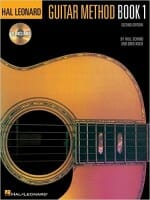
The second edition of this world-famous method by Will Schmid and Greg Koch is preferred by teachers because it makes them more effective while making their job easier. Students enjoy its easy-to-follow format that gives them a solid music education while letting them play songs right away. Book 1 provides beginning instruction including tuning, 1st position melody playing, C, G, G7, D7, and Em chords, rhythms through eighth notes, solos and ensembles and strumming.
Four Star Sight Reading and Ear Tests