M.Mus (U of T)
B.Mus (Oberlin)
Guitarist Gergely Szabo has an Advanced Diploma in Music Performance from Cambrian College where he majored in the classical guitar. Over his time there, he completed 2 years of comprehensive pedagogy courses. He also gained well grounded vocal skills, as well as basic knowledge on the piano. Outside of classical music, he exhibits a repertoire of skills and knowledge in playing the genres of rock, blues, and heavy metal music. He has experience in teaching the guitar and the ukulele to a range of people aged 6 to 54.
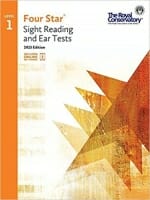
Gergely’s teaching methods include both the use of books and digital methods. The three main books he uses to teach guitar are as follows: “Guitar Method Book 1 by Will Schmid and Greg Koch,” “Four Star Sight Reading and Ear Tests RCM Level 1,” and “Classical Guitar Repertoire and Etudes RCM Level 1.” For teaching ukulele, he uses the book “Ukulele Songs for 1, 2, or 3 players by Elizabeth Ragsdale.” Aside from these, he frequently uses the Muse Score application as a play-along practicing tool.
Gergely’s passion for music and his dedication to growing the love of music in others are the biggest reasons why he teaches guitar and ukulele. His approach to teaching involves learning through play. The material he covers with his students is always delivered in a way that is highly interactive. Most of the assigned exercises he gives involve the elements of play that students can enjoy both in class and as homework.
Get to know Gergely…Beyond the Bio!
Coming soon!
Hobbies:
Musical influences:
Favourite food:
Least favourite food:
Favourite music:
Favourite album:
Favourite movie:
Favourite musical theatre/opera:
Best quote from your teacher:
Favourite quote:
Favourite book:
Latest Homework from Gergely
Is Gergely Your Teacher?
Sign up now to get your weekly assignments delivered, and never lose your homework sheet again!
Long Weekend Reminders
Hello Everyone!
This is a reminder about the upcoming Family Day Weekend.
Please note that there are NO Music Together classes Saturday, Sunday, or Monday.
Please note that there ARE lessons on Saturday and Sunday, but NO lessons on Monday.
Learning an Instrument as an Adult
“I’m too old”
”I don’t have enough time”
”It’s too difficult”
”I can’t afford it”
“I don’t have any musical talent”
These are probably the five most common reasons we hear from people who tell us they’re unable to learn a new instrument as an adult. However, anyone, regardless of age or skill level can learn to play an instrument with enough time, practice, and patience. Though it may be daunting at first, with the right teacher and tools, a student could be playing their favourite tunes in just a few weeks!
What Are the Benefits of Playing a Musical Instrument?
Playing a musical instrument is an act of creation with unique neurological and physical benefits. Different instruments have different benefits, but playing any instrument will improve your brain function and help you develop creative skills.
Playing an instrument can have a variety of benefits that stem from three different areas: neurological, physical, and the sense of accomplishment. The neurological benefits arrive in the form of improved focus and memory retention; the physical benefits are seen in terms of increased dexterity and motor skills; and finally, you feel the sense of accomplishment is felt when you master a piece or perform in front of others.
Finding the Right Instrument for You
The first step to choosing an instrument is finding one you can be passionate about. There are many instruments out there, so don’t limit yourself to only looking at the ones you know the word for in English. What’s your favorite genre of music? What instrument do you enjoy listening to? What instruments have been a part of your life as a child?
It sounds simple, but it is crucial that you find an instrument that speaks to you. When we find an instrument that does this, we are able to practise more and improve faster. Musical instruments are like people – they have their own personalities and it’s just as important to find the right instrument for you as it is to find the right partner in life.
Practise and Practise Again!
Practising music is extremely important – you need to develop mental pathways and physical strength to achieve mastery, which can only be done with consistency If you don’t practise regularly and try to cram it in once a week, you’ll have trouble reaching the next level.
Even a few minutes of instrumental practice every day can make a significant difference in how quickly you improve!
To get the most out of your practice time, try to focus on learning one thing at a time and work on improving it for five to ten minutes. For example, if you’re learning violin, you might want to focus 5–10 minutes on improving one bowing technique or the finger pattern for a scale. This will help you see improvement more quickly, and find areas that might need some more attention.
Taking Lessons from Teachers Who Specializes in Your Instrument and Learning Style
Finding the right teacher is a game changer. To get the most out of your money and time, look for a teacher who understands how you learn, what your goals are, and can guide you through the fundamentals of your instrument. A good music school will be able to ask you the right questions to match you with the right teacher.
Music teachers who specialize in your instrument have been there and done that – they know how to recognize challenges and solve problems. Your music teacher can also identify opportunities, anticipate how to make the learning fun and relevant for you, and give you productive feedback based on their knowledge. While some adults are terrific self-directed learners, many find that without one-on-one guidance, they didn’t improve their skills quickly, they weren’t enjoying the learning, they got discouraged, and ultimately, quit the instrument.
Investing in an Instrument
Buying an instrument is a good start for someone who wants to learn how to play music.
There are many choices for musical instruments, and making the right choice can save you money in the short and long term. Ask a music teacher for recommendations within your budget if you’re not sure where to start.
There are instances when renting an instrument before purchasing one can make much more sense. For instance, if you aren’t sure how much time you will spend playing a particular instrument and want to know for sure that it is the right one for you.
Conclusion: Now That You Know, It’s Time to Get started!
Learning a musical instrument doesn’t have to be complicated or scary. It can actually be quite straightforward and easy, as long as you get the right guidance. Don’t be afraid to pick up the phone, ask questions, and dive in!
Preferred Books for Gergely’s Students
Click to buy them here, and they’ll come right to your house! What could be easier?
Hal Leonard Guitar Method
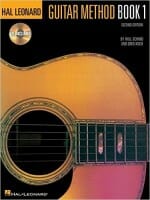
The second edition of this world-famous method by Will Schmid and Greg Koch is preferred by teachers because it makes them more effective while making their job easier. Students enjoy its easy-to-follow format that gives them a solid music education while letting them play songs right away. Book 1 provides beginning instruction including tuning, 1st position melody playing, C, G, G7, D7, and Em chords, rhythms through eighth notes, solos and ensembles and strumming.
Four Star Sight Reading and Ear Tests