M.Mus (U of T)
B.Mus (Oberlin)
Guitarist Gergely Szabo has an Advanced Diploma in Music Performance from Cambrian College where he majored in the classical guitar. Over his time there, he completed 2 years of comprehensive pedagogy courses. He also gained well grounded vocal skills, as well as basic knowledge on the piano. Outside of classical music, he exhibits a repertoire of skills and knowledge in playing the genres of rock, blues, and heavy metal music. He has experience in teaching the guitar and the ukulele to a range of people aged 6 to 54.
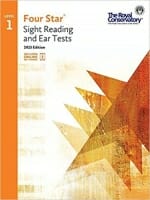
Gergely’s teaching methods include both the use of books and digital methods. The three main books he uses to teach guitar are as follows: “Guitar Method Book 1 by Will Schmid and Greg Koch,” “Four Star Sight Reading and Ear Tests RCM Level 1,” and “Classical Guitar Repertoire and Etudes RCM Level 1.” For teaching ukulele, he uses the book “Ukulele Songs for 1, 2, or 3 players by Elizabeth Ragsdale.” Aside from these, he frequently uses the Muse Score application as a play-along practicing tool.
Gergely’s passion for music and his dedication to growing the love of music in others are the biggest reasons why he teaches guitar and ukulele. His approach to teaching involves learning through play. The material he covers with his students is always delivered in a way that is highly interactive. Most of the assigned exercises he gives involve the elements of play that students can enjoy both in class and as homework.
Get to know Gergely…Beyond the Bio!
Coming soon!
Hobbies:
Musical influences:
Favourite food:
Least favourite food:
Favourite music:
Favourite album:
Favourite movie:
Favourite musical theatre/opera:
Best quote from your teacher:
Favourite quote:
Favourite book:
Latest Homework from Gergely
Is Gergely Your Teacher?
Sign up now to get your weekly assignments delivered, and never lose your homework sheet again!
Tuesday, Sept. 17th
Myles
Warmups:
–Flam Paradiddles (rL-R-L-L lR-L-R-R)
–8 on a Hand, goal tempo= 130bpm using a metronome (free app download, or purchase one at a music store)
Drumset Musician: 12/8 Exercises (in google drive Frequently Used folder)
–Learn the first 7 exercises
–You can count this either “1-2-3-4-5-6-…” or “1-trip-let 2-let”. Which one do you find easier?
John Mayer: Gravity
–Great!
–Now add in variations of your own creation based on the exercises from the worksheet above
Finn
Warmups:
–Single Strokes
–Double Strokes
–8 on a hand
–***Focus on keeping your grip and stroke technique: these exercises help you build good habits
Basic Beat level 1:
–Good! Careful not to squeeze the stick or crush the stroke. One contact per stroke, please!
**Now learn LEVEL 2:
1) Count “1 + 2 + 3 + 4 + ”
2) RH plays all counts on the Hihat
3) RF plays “1” and “3” on the Bass Drum
4) RH plays “2” and “4” on the Snare Drum
First Drum song!!! Queen: We Will Rock You
–Bass-Bass-Snare (both hands on the snare!)
Noah
Warmups:
–Triplet Exercise (1mm RH, 2mm LH) @ 95bpm
–Sixteenth-note Exercise 75bpm
Green Day: American Idiot–Everything up until the beginning of the 6th line on page two
–**Drill the two different beats (verse and chorus) separately AND back-to-back to help build the skill of switching between them
–You know that tom-beat fill now, but need to gradually build up the speed. Goal tempo: 160bpm this week
Francisco
Warmups (30sec/ea., find goal speed):
–8 on a hand (140bpm)
–Singles (sixteenths at 140bpm)
–doubles (16ths at 90)
–Paradiddles (16ths at 90)
Bon Jovi: Livin On a Prayer
–Add in the material up until the Pre-Chorus
–Careful with the first and second ending material in those repeats
***PLEASE BOOKMARK BOTH OF THE FOLLOWING LINKS. THIS IS WHERE I UPLOAD ALL OF YOUR LESSON MATERIAL**
https://drive.google.com/drive/folders/1LkxZI1V_rUM5aI9n8_kbQNa7MqJZrEGn?usp=drive_link
https://drive.google.com/drive/folders/1zCfqQhgIjuJLFP_JMHBmkjYwsV27CXON?usp=drive_link
Josh
ACDC: Back in Black, intro section (up until the singing starts)
–Begins with an eight-count
–Basic beat level 2
–Drum fill, playing along with the guitar riff (sing it to play it!)
–Listen carefully for when the drum fill STARTS: listen along and clap your hands/sticks along with it
–The crash IS the first note of the beat. Make sure not to add any beats in!
Assignments for the week of September 14th, 2024
Shakira
Technique Exercises: working in C Major (no sharps/flats)
1 Octave C Major scale – Practicing as solid blocked groups of fingers within each hand position, bouncing back and forth between positions. Thinking ahead before moving. Once comfortable with shifting between hand positions fully, stepping through the scale slowly.
C Major solid triads – Practicing finding and moving between C major root position, first inversion, and second inversion triads. Following the fingerings on the attached page of notes. Review Note Page – Shakira
Bartok Exercises – Read through exercises 1-3 (all of page 1), focusing on following the shape and contour of the notes as you read instead of thinking one note at a time. Paying close attention and double checking starting notes for each exercises LH and RH (they will all be parallel motion on the same notes between hands) Bartok Mikrokosmos Book 1 1-19
Lunar Eclipse – Begin working through hands separately at first, until you notice the RH pattern, then working hands together. Watch out for any patterns you notice, double check any note names you aren’t 100% certain of (see attached page of review notes).Lunar Eclipse
The following link is to a reliable recording of Lunar Eclipse for you to listen to:
Preferred Books for Gergely’s Students
Click to buy them here, and they’ll come right to your house! What could be easier?
Hal Leonard Guitar Method
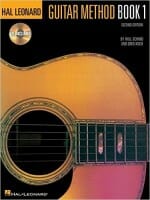
The second edition of this world-famous method by Will Schmid and Greg Koch is preferred by teachers because it makes them more effective while making their job easier. Students enjoy its easy-to-follow format that gives them a solid music education while letting them play songs right away. Book 1 provides beginning instruction including tuning, 1st position melody playing, C, G, G7, D7, and Em chords, rhythms through eighth notes, solos and ensembles and strumming.
Four Star Sight Reading and Ear Tests