M.Mus (U of T)
B.Mus (Oberlin)
Guitarist Gergely Szabo has an Advanced Diploma in Music Performance from Cambrian College where he majored in the classical guitar. Over his time there, he completed 2 years of comprehensive pedagogy courses. He also gained well grounded vocal skills, as well as basic knowledge on the piano. Outside of classical music, he exhibits a repertoire of skills and knowledge in playing the genres of rock, blues, and heavy metal music. He has experience in teaching the guitar and the ukulele to a range of people aged 6 to 54.
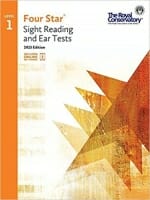
Gergely’s teaching methods include both the use of books and digital methods. The three main books he uses to teach guitar are as follows: “Guitar Method Book 1 by Will Schmid and Greg Koch,” “Four Star Sight Reading and Ear Tests RCM Level 1,” and “Classical Guitar Repertoire and Etudes RCM Level 1.” For teaching ukulele, he uses the book “Ukulele Songs for 1, 2, or 3 players by Elizabeth Ragsdale.” Aside from these, he frequently uses the Muse Score application as a play-along practicing tool.
Gergely’s passion for music and his dedication to growing the love of music in others are the biggest reasons why he teaches guitar and ukulele. His approach to teaching involves learning through play. The material he covers with his students is always delivered in a way that is highly interactive. Most of the assigned exercises he gives involve the elements of play that students can enjoy both in class and as homework.
Get to know Gergely…Beyond the Bio!
Coming soon!
Hobbies:
Musical influences:
Favourite food:
Least favourite food:
Favourite music:
Favourite album:
Favourite movie:
Favourite musical theatre/opera:
Best quote from your teacher:
Favourite quote:
Favourite book:
Latest Homework from Gergely
Is Gergely Your Teacher?
Sign up now to get your weekly assignments delivered, and never lose your homework sheet again!
Being able to play an instrument improves kids’ self-esteem.
Intriguing about the ways to improve your kids’ self-esteem? Music has the power to touch your kids’ hearts, uplift their spirits, and even shape your lives. Music is a universal language that transcends frontiers, and its benefits are boundless. One of the most remarkable aspects of music education is its ability to enhance a child’s self-confidence.
In this blog post, we’ll explore how the ABC Academy of Music is making a significant impact on kids’ self-esteem through piano lessons, guitar lessons, drums lessons, and other musical instrument lessons.

Music education enhances self-esteem by teaching kids to play and follow the music pitch.
Music Education benefits
At ABC Academy of Music, the belief that music education empowers young minds is at the core of our mission. We understand that music is more than just a collection of notes; it’s a powerful tool for personal growth, communication, increasing self-esteem and kids’ development as a result.
One of the ways in which music education enhances self-esteem is by teaching kids to play and follow the music pitch. Let’s delve deeper into this:
Playing an instrument with the heart and confidence
- Dedication, practice, and patience. As children progress through their piano lessons, guitar lessons, or drums lessons at ABC Academy of Music, they develop a keen sense of discipline and perseverance. This process of mastering an instrument instills a sense of accomplishment and pride in their abilities.
- The act of playing a musical instrument itself is a confidence booster. As your children become proficient in their chosen instrument, they gain a sense of mastery and accomplishment. Consequently, this newfound ability to create beautiful melodies can significantly boost your kids self-esteem. This mastery and accomplishment is hard to nurture in other activities, subjects, and team environments.
- They learn that they are capable of achieving something that may have seemed challenging at first. Additionally, learning to play a musical instrument, whether it’s the piano, guitar, violin, or drums, requires commitment, consistency, and overall the love for music. Over all, helping children to increase their self-confidence after overcoming small challenges, step by step.
Get to know our amazing “programs for babies and toddlers”, book your free trial class now at ABC academy of music at https://www.music-lessons.ca/toronto/classes/toddlers/
The act of playing a musical instrument itself is a confidence booster. Picture from Pinterest.
Pitch-Perfect Confidence
One of the essential elements of music education is understanding and following the pitch. Whether it’s hitting the right notes on a piano or strumming the guitar strings with precision, kids at the ABC Academy of Music learn to enjoy music and make it part of their life’s.
As kids progress in their music lessons, their ability to recognize and execute different pitches improves. This not only enhances their musical skills but also their self-esteem. They gain confidence in their capacity to understand and apply concepts during the practice.
Positive feedback and support in our Music programs for all ages

Music is more than just a collection of notes; it’s a powerful tool for personal growth, communication, and kids’ development. Photo from Pinterest.
- A nurturing environment is designed to build self-esteem. Experienced music instructors offer constructive feedback, praise progress, and celebrate achievements. This continuous positive reinforcement will foster a sense of self-worth and confidence in your children.
- Music education at the ABC Academy of Music goes beyond just learning to play an instrument; it’s a journey of self-discovery and personal growth. Through drum lessons, piano lessons, guitar lessons, and music lessons in general, kids not only develop musical skills but also enhance their self-esteem.
- By teaching children to play with precision and follow the music pitch, the ABC Academy of Music empowers your kids to believe in themselves, and develop self-direction, self-evaluation, and finishing skills. The sense of accomplishment and mastery they gain from their musical achievements will resonate in other (professional) aspects of your kids’ lives, making them more confident and self-assured individuals down the road.
- Investing in music education is not just about learning how to play an instrument; it’s an investment in a child’s self-esteem, afterward it will pay dividends throughout their lifetime. At the ABC Academy of Music, we understand the transformative power of music, and we are helping children discover their true potential, one note at a time.
“Music lessons for all ages include programs for babies and toddlers, drums lessons, piano lessons, guitar lessons, violin lessons, singing lessons and other musical instrument lessons.”
Get more detailed information about “music lessons for kids” at https://www.music-lessons.ca/
“PS SECTION”:
Did you find this interesting? Check out our post
FEELING THE BEAT: How Rhythm Enhances Kids’ Motor Skills, Timing, and Coordination
Additional Reading for Your Interest:


Music classes reduce negative emotions and stimulate brain activity
Music activities and music programs are great to reduce negative emotions and stimulate brain activity! Music has been an integral part of human culture for centuries, bringing people together and serving as a means of self-expression and cultural identity. Beyond its aesthetic and entertainment value, music also has a profound impact on your emotions and cognitive abilities.
In recent years, scientific research has shed light on the therapeutic and cognitive benefits of music education. This blog post explores how music lessons can reduce negative emotions and stimulate your brain activity.
Music classes has a unique ability to evoke a wide range of emotions. Whether it’s the soothing melodies of classical music, the upbeat rhythms of pop, or the raw emotions conveyed through the lyrics of a heartfelt ballad, music has the power to connect with your feelings and experiences. It can uplift your spirits, provide solace during difficult times, and even help you process complex emotions.
Negative emotions, such as stress, anxiety, and sadness, are a part of life. However, they can become overwhelming if left unaddressed. This is where music comes in as a therapeutic tool. Engaging in music, whether through listening, playing, or singing, can assist you to cope with negative emotions effectively.

Music allows individuals to convey their feelings without the need for words. Image from Pinterest.
The Benefits of Music Lessons
- Stress Reduction: playing an instrument or singing can be a relaxing and cathartic experience. The act of creating music triggers the release of endorphins, the body’s natural feel-good hormones, which can help reduce stress and anxiety.
- Emotional Expression: music provides a safe and expressive outlet for emotions. It allows individuals to convey their feelings without the need for words, making it especially beneficial for those who find it challenging to articulate their emotions.
- Cognitive Engagement: learning to play an instrument or sing requires and develops focus, concentration, and coordination. These cognitive processes stimulate your brain activity and can help to improve memory and problem-solving skills.
- Self-Esteem Boost: as you will progress in your musical journey, you´ll gain and deepen a sense of accomplishment and self-worth. This boost in self-esteem contributes to increased self-esteem, and counteracts feelings of negativity and self-doubt.
Visit ABC academy of music to learn more about drum lessons, piano lessons, guitar lessons, violin lessons, sing lessons and other musical instrument lesson for all ages at https://www.music-lessons.ca/toronto/adults/
Stimulating Brain Activity Through Music Education.
Music education is not just about learning to play an instrument or sing; it also has a profound impact on your brain development and on your cognitive abilities.
Here’s how:

No other activity activates as many centers of the brain as the making of music
- Enhanced Brain Connectivity: Learning music involves coordinating multiple brain regions responsible for motor skills, auditory processing, and memory in addition to those of melody, rhythm, and language. This greatly enhances connectivity between many different parts of the brain, fostering overall cognitive development. No other activity activates as many centers of the brain as the making of music.
- Improved Memory: Music education has been linked to improvements in memory, both short-term and long-term. Musicians often have better memory recall and enhanced learning abilities.
- Cognitive Flexibility: Musical training encourages individuals to think creatively, adapt to different musical styles, and improvise. This fosters cognitive flexibility, which can be applied to various aspects of personal and professional life.
- Emotional Regulation: Music lessons teach patience and perseverance, important skills for managing negative emotions. Musicians often develop emotional resilience through their musical journey.
Music is a powerful tool that can significantly reduce negative emotions and stimulate your brain activity. Whether you’re a novice or a seasoned musician, engaging in music lessons or simply listening to your favorite tunes can have a positive impact on your emotional well-being and cognitive abilities. So, if you’re looking for ways to boost your mood and enhance your brain function, consider incorporating more music into your life.
Whether you’re strumming a guitar, tickling the ivories, or belting out your favorite song, let the magic of music work its wonders on your mind and emotions. Book your first class at https://www.music-lessons.ca/toronto/adults/
“PS -Section”:
Did you find this interesting? Check out our post
7 reasons why music lessons really pay back!
Follow us on our Social and don’t miss out the newest about ABC Academy of music
Next are some other sources you might be interested too:
Emotional intelligence and music / Maria Iturriaga
Musical training, neuroplasticity and cognition
Preferred Books for Gergely’s Students
Click to buy them here, and they’ll come right to your house! What could be easier?
Hal Leonard Guitar Method
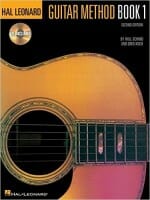
The second edition of this world-famous method by Will Schmid and Greg Koch is preferred by teachers because it makes them more effective while making their job easier. Students enjoy its easy-to-follow format that gives them a solid music education while letting them play songs right away. Book 1 provides beginning instruction including tuning, 1st position melody playing, C, G, G7, D7, and Em chords, rhythms through eighth notes, solos and ensembles and strumming.
Four Star Sight Reading and Ear Tests