M.Mus (U of T)
B.Mus (Oberlin)
Guitarist Gergely Szabo has an Advanced Diploma in Music Performance from Cambrian College where he majored in the classical guitar. Over his time there, he completed 2 years of comprehensive pedagogy courses. He also gained well grounded vocal skills, as well as basic knowledge on the piano. Outside of classical music, he exhibits a repertoire of skills and knowledge in playing the genres of rock, blues, and heavy metal music. He has experience in teaching the guitar and the ukulele to a range of people aged 6 to 54.
Gergely’s teaching methods include both the use of books and digital methods. The three main books he uses to teach guitar are as follows: “Guitar Method Book 1 by Will Schmid and Greg Koch,” “Four Star Sight Reading and Ear Tests RCM Level 1,” and “Classical Guitar Repertoire and Etudes RCM Level 1.” For teaching ukulele, he uses the book “Ukulele Songs for 1, 2, or 3 players by Elizabeth Ragsdale.” Aside from these, he frequently uses the Muse Score application as a play-along practicing tool.
Gergely’s passion for music and his dedication to growing the love of music in others are the biggest reasons why he teaches guitar and ukulele. His approach to teaching involves learning through play. The material he covers with his students is always delivered in a way that is highly interactive. Most of the assigned exercises he gives involve the elements of play that students can enjoy both in class and as homework.
Get to know Gergely…Beyond the Bio!
Coming soon!
Hobbies:
Musical influences:
Favourite food:
Least favourite food:
Favourite music:
Favourite album:
Favourite movie:
Favourite musical theatre/opera:
Best quote from your teacher:
Favourite quote:
Favourite book:
Latest Homework from Gergely
Is Gergely Your Teacher?
Sign up now to get your weekly assignments delivered, and never lose your homework sheet again!
Music boosts memory, attention, and social skills in preschooler
Isn’t it amazing? Music boosts memory, attention, and social skills in preschooler! In today’s fast-paced world, parents and educators are constantly seeking innovative ways to enhance the cognitive, emotional, and social development of preschoolers. One powerful tool that has gained recognition for its remarkable impact is music.
Music-related activities and programs for kids and toddlers, have emerged as an effective tool for stimulating development in children of all ages, with preschoolers reaping significant benefits; learning how to escape from the heavy daily routine and have fun at the same time.
Music lessons and memory enhancement
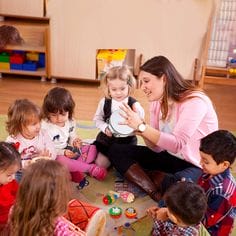
Preschoolers exposed to music tend to have improved memory skills. Photo from Pinterest.
Music and memory are closely intertwined. Preschoolers exposed to music-related activities tend to have improved memory skills. This is because music engages multiple areas of your kid’s brain, creating strong neural connections that support their memory formation. Whether it’s learning songs, memorizing lyrics, or associating tunes with events, music provides an effective mnemonic tool.
To stimulate memory development in preschoolers, consider incorporating musical games, with a musical twist, where children have to remember and mimic a series of musical patterns or movements.
Find out ABC Academy of Music programs and its benefits for your preschoolers at https://www.music-lessons.ca/toronto/classes/
Attention Frame Expansion
Maintaining the attention of preschoolers can be quite challenging, but music comes to the rescue. Engaging in musical activities can extend your children’s attention span as they become absorbed in rhythm, melody, and lyrics. This enhanced focus can carry over to other areas of their lives, improving their ability to concentrate on tasks and follow instructions.
For development stimulation, introduce your preschoolers to age-appropriate musical instruments, encouraging them to experiment with sounds and rhythms. These activities not only captivate their attention but also promote sensory and motor development.

Engaging in musical activities can extend your children’s attention span. Picture from Pinterest.
Music Curriculum and Social Skills Cultivation
Music has the unique ability to foster social interactions and cooperation among preschoolers. Participating in music-related programs encourages children to collaborate, share, and communicate with their peers.
Whether they are singing in a group, playing in a band, or simply dancing together, these activities promote essential and vital social skills.
To promote social development, organize music-themed group activities where preschoolers can sing together, share instruments, and engage in creative musical play. This not only creates a sense of community but also helps your children to build empathy and teamwork. Watch our videos to know more at https://www.music-lessons.ca/toronto/classes/
Music classes for all ages: inclusive, universal and accessible
One of the remarkable aspects of using music for cognitive development is its accessibility to children of all ages and backgrounds. Music programs can be tailored to suit the unique, age-appropriate needs of preschoolers, making it an inclusive and versatile tool for development stimulation.

Music programs cultivate essential social skills.
Picture from Pinterest.
Incorporating music into the lives of preschoolers can be a powerful way to enhance memory, expand attention frames, and cultivate essential social skills. By engaging in music-related activities and programs, your children not only experience the joy of music. But also benefit from its cognitive and social development stimulation. Music truly is a universal language that has the potential to enrich the lives of preschoolers and set a strong foundation for their future growth and learning.
As parents, caregivers, and educators, let us harness the harmonious benefits of music lessons and programs to nurture the minds and hearts of our little ones, ensuring that they embark on a journey of holistic development, one musical note at a time.
Book your free demo today https://www.music-lessons.ca/toronto/classes/ looking forward to seeing you soon!
Follow us in our social channels to know more about the benefits of music lesson in Toronto- GTA, at any age.
“PS – Section”
Did you find this interesting? Check out our post:
“How to Improve Pre-Literacy and Pre-Numeracy Skills Through Music”
**Link is in Progress**
Additional Reading for Your Interest:
Music, Memory and Emotion (National Library of Medicine)
Boosting your toddlers attention span: 4 fun activities to try
Playing a musical instrument has a positive effect on teenagers
Let’s discover together the positive effect of music on teenagers, physically, psychologically, and emotionally. Whether you are a teenager or your kids are in their teens, this information is right for you!
Teenagers often experience a whirlwind of emotions and face various challenges as they navigate the transitional phase between childhood and adulthood. During this time, it’s crucial to find healthy outlets for self-expression and emotional regulation. One such avenue that can have a profoundly positive impact on teenagers’ dispositions is playing music. In this blog post, we will explore how drum lessons for teenagers, guitar, piano, violin or music lessons in general can contribute to the emotional well-being and overall development of adolescents.
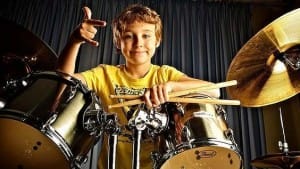
Drums are often associated with rhythm, energy, and catharsis.
Picture from Pinterest.
Drum lessons for Teenagers: rhythmic release
Drums are often associated with rhythm, energy, and catharsis. For teenagers, who may grapple with stress, frustration, or anxiety, drum lessons can be a fantastic way to release pent-up emotions. The physical act of hitting drums, cymbals, and other percussion instruments can provide a healthy channel for teens to let out their feelings. Music classes deffinitely has a positive effects on teenagers general health.
When teenagers immerse themselves in drumming, they experience several emotional benefits:
- Stress Reduction: Drumming has been shown to reduce stress levels and increase relaxation. The rhythmic patterns in drumming can help synchronize brain waves, promoting a state of calm.
- Improved Mood: The act of drumming releases endorphins, which are natural mood boosters. It can help teenagers combat feelings of sadness or frustration.
- Enhanced Self-Esteem: Learning a musical skill like drumming and seeing improvement over time can boost self-esteem and confidence in teenagers.
Guitar lessons: expressing emotions through melody
The guitar is a versatile instrument that allows teenagers to express their emotions through melody and harmony. Learning to play the guitar not only develops musical skills but also encourages self-expression.
Here are some ways in which guitar lessons can positively affect teenagers’ dispositions:

Playing the guitar can serve as a creative outlet for teenagers. Picture from Pinterest.
- Emotional Outlet: Playing the guitar can serve as a creative outlet for teenagers to channel their emotions, whether it’s writing songs about their experiences or simply strumming away to release tension.
- Stress Relief: Playing the guitar requires focus, which can take teenagers’ minds off their worries and anxieties. It’s a form of mindfulness that can promote relaxation.
- Social Connection: Joining a band or playing with friends can foster social connections and a sense of belonging, which are crucial for teenagers’ emotional well-being.
Let your teenager spirit get the most of music lesson at ABC academy of music visit us at https://www.music-lessons.ca/toronto/instruments/
Piano lessons: cognitive and emotional development

Besides the fun when learning to play the piano it also involves: hand-eye coordination and memorization.
Picture from Pinterest.
Piano lessons offer a unique combination of cognitive and emotional development for teenagers. Learning to play the piano involves reading sheet music, hand-eye coordination, and memorization – all of which stimulate the brain. Moreover, the piano’s versatility allows teenagers to explore a wide range of musical genres, from classical to contemporary.
Here are some ways in which piano lessons contribute to positive emotional development:
- Emotional Expression: The piano’s wide range of tones and dynamics enables teenagers to convey a wide spectrum of emotions through their music, promoting emotional intelligence.
- Improved Concentration: Learning to play the piano demands focused attention, helping teenagers develop better concentration skills that can be applied to other aspects of life.
- Sense of Achievement: As teenagers progress in their piano studies and master challenging pieces, they experience a sense of accomplishment that can boost their self-esteem and overall disposition.
In conclusion, playing music has a profound and meaningful impact on the emotional well-being of adolescents. These musical pursuits offer various benefits, from stress reduction and emotional expression to cognitive development and enhanced self-esteem.
ABC academy of music encourages teenagers to explore music as a hobby or a serious pursuit, it can be a valuable investment in adolescents’ emotional health and overall development during these formative years. Discover more about music lessons at ABC on https://www.music-lessons.ca/
“P-S Section”:
Did you find this interesting? Check out our post:
“Music reduce stress and tension”
Additional Reading for Your Interest:
Preferred Books for Gergely’s Students
Click to buy them here, and they’ll come right to your house! What could be easier?
Hal Leonard Guitar Method
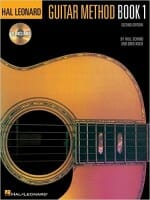
The second edition of this world-famous method by Will Schmid and Greg Koch is preferred by teachers because it makes them more effective while making their job easier. Students enjoy its easy-to-follow format that gives them a solid music education while letting them play songs right away. Book 1 provides beginning instruction including tuning, 1st position melody playing, C, G, G7, D7, and Em chords, rhythms through eighth notes, solos and ensembles and strumming.
Four Star Sight Reading and Ear Tests