M.Mus (U of T)
B.Mus (Oberlin)
Guitarist Gergely Szabo has an Advanced Diploma in Music Performance from Cambrian College where he majored in the classical guitar. Over his time there, he completed 2 years of comprehensive pedagogy courses. He also gained well grounded vocal skills, as well as basic knowledge on the piano. Outside of classical music, he exhibits a repertoire of skills and knowledge in playing the genres of rock, blues, and heavy metal music. He has experience in teaching the guitar and the ukulele to a range of people aged 6 to 54.
Gergely’s teaching methods include both the use of books and digital methods. The three main books he uses to teach guitar are as follows: “Guitar Method Book 1 by Will Schmid and Greg Koch,” “Four Star Sight Reading and Ear Tests RCM Level 1,” and “Classical Guitar Repertoire and Etudes RCM Level 1.” For teaching ukulele, he uses the book “Ukulele Songs for 1, 2, or 3 players by Elizabeth Ragsdale.” Aside from these, he frequently uses the Muse Score application as a play-along practicing tool.
Gergely’s passion for music and his dedication to growing the love of music in others are the biggest reasons why he teaches guitar and ukulele. His approach to teaching involves learning through play. The material he covers with his students is always delivered in a way that is highly interactive. Most of the assigned exercises he gives involve the elements of play that students can enjoy both in class and as homework.
Get to know Gergely…Beyond the Bio!
Coming soon!
Hobbies:
Musical influences:
Favourite food:
Least favourite food:
Favourite music:
Favourite album:
Favourite movie:
Favourite musical theatre/opera:
Best quote from your teacher:
Favourite quote:
Favourite book:
Latest Homework from Gergely
Is Gergely Your Teacher?
Sign up now to get your weekly assignments delivered, and never lose your homework sheet again!

When iCloud Failed: A Decades-Long Apple User’s Race Against Time
On November 7th, 2025, I lost a decade of my work and personal history in what should have been a routine restart.
I’ve been an Apple user since I was 12 years old. I’ve owned and operated my music school, ABC Academy of Music (music-lessons.ca), for 22 years. I’ve built my entire business and personal computing life on Apple’s ecosystem—Macs, iPhones, iPads, iCloud, the full productivity suite. I’ve had enough faith in Apple to be a shareholder.
In all those years, Apple has never let me down the way it has now.
What Happened
My Mac maxed out its RAM. The system generated low memory alerts. I did what anyone would do: I force quit applications, emptied the Trash, and restarted.
When the machine came back up, it appeared to be reinstalling macOS. When the process completed and I reached my desktop, everything was gone. Not just the files on my desktop. Everything in iCloud too.
At first I assumed the files simply hadn’t synced yet—that the machine needed to reconnect to iCloud. This was exactly why I used iCloud in the first place: not just as a backup, but so I could access my files anywhere, on any machine. That’s what Apple promises. That’s what I paid for.
But the files never came back. Whatever happened during that crash didn’t just affect my local machine. It wiped my iCloud storage too.
What I Lost
Custom CRMs I built over more than a decade to run my multi-location music school. Paid client lists and active student records. Student reporting systems and databases. Financial records spanning years of business operations. Our certificate of incorporation. Tax filings. Marketing materials, custom designs, logos, templates, and tools developed over 10+ years.
Personal files too. My taxes. My CV. University transcripts. Recipes that are deeply important to me as an amateur chef—some handed down, some developed through years of trial and error.
Strangely, some aspects of iCloud appear completely untouched. My Photos are fine. But Keynote, Pages, and Numbers have only limited files restored. The inconsistency is baffling, and no one has been able to explain it.
Three Weeks of Trying
It’s now been three weeks since the incident. I’ve spent countless hours on calls with Senior iCloud technicians. They’ve been professional. They’ve escalated my case. They’ve told me they’re doing everything they can.
But what they’ve restored amounts to a fraction of my actual data and files—and none of it is what I need to run my business or access my personal history.
Here’s what Apple support has refused to do:
- Connect me with the iCloud engineers who actually understand the system architecture
- Provide me with a disk image of my iCloud drive so I can work with independent specialists
- Explain how a local system crash could propagate to cloud storage
Even the Experts Are Stumped
I’ve taken my computer to forensic data recovery specialists. Even they were unable to make sense of why this happened or offer a solution. The data was supposed to be living in Apple’s cloud—not dependent on my local machine. The experts I consulted could not explain how a local crash could wipe cloud storage, and they had no path forward for recovery.
This leaves Apple as the only entity that can investigate what happened and potentially recover my data. And Apple won’t connect me to anyone who can.
The Deadline
November 7th was the incident date. Cloud storage systems typically have a 30-day window before deleted data is permanently purged. That deadline is approximately December 7th—days away.
If Apple doesn’t act before that window closes, everything could be gone forever.
Why I’m Sharing This
I’ve reached out directly to Tim Cook, Eddy Cue (the SVP who oversees iCloud), and Apple’s PR team. I’ve outlined the situation and explained the steps I’m taking.
I don’t want to make noise about this. It’s time I don’t have, and it’s not in anyone’s interest. I just want my data back—what I paid for, what I spent years creating.
But three weeks of working through normal channels hasn’t connected me to anyone who can actually help. Time is running out. Regretfully, I feel I must escalate this publicly because I have no other options.
The Question
How does a local system crash wipe cloud storage? Isn’t the entire point of the cloud that it’s separate from your local machine? Isn’t that what we’re paying for?
Even forensic data experts couldn’t answer these questions. Only Apple can.
I’m sharing this because other people deserve to know: iCloud may not work the way you think it does. And if it fails, getting help may be harder than you expect—even if you’ve been a loyal customer for decades.
What I Want
I want engineering resources assigned to investigate this and attempt deep recovery. I want the disk image so independent specialists can work in parallel. I want to understand what happened.
Most of all, I just want what’s mine.
If you’ve experienced something similar, or if you have advice for getting engineering-level help at Apple, I’d appreciate hearing from you. And if you think this story is important, please share it.
Time is running out.
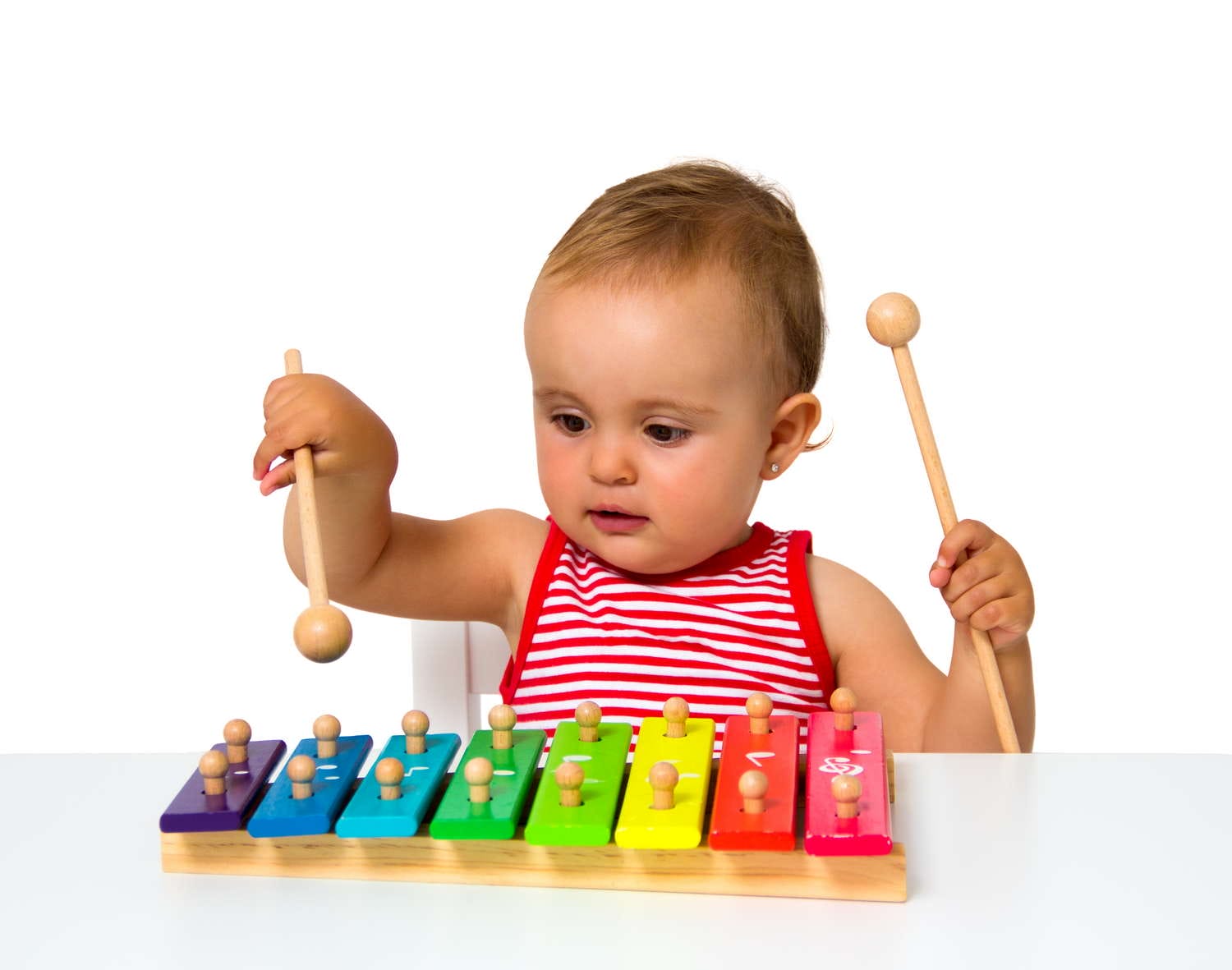

The 3 C’s of Music: concentration, coordination, and creativeness
Music has an amazing way of influencing our cognitive abilities. Music boost kids concentration, coordination, and sparking creativeness. In this post, we’ll explore how music lessons, and music programs for all ages improve the 3 C´s of Music. The younger the age and the more frequent the exposure, the greater the benefit over time, additionally this works at any age!
Definitely Music enhance concentration, coordination, and creativeness.
Concentration: ‘Tuning in’ with Music
Concentration is the ability to focus one’s attention on a particular task or thought. Even though it seems to be an innate skill, sometimes it could be a difficult task for almost everybody. Particularly for children who are struggling with more distractions in their daily lives, it might become really challenging to concentrate fully on the task at hand.
Strengthening concentration skills is essential for young minds.
Playing or singing music often involves improvisation. Picture from Pinterest.
Here’s how music can help:
- The Power of Rhythms: rhythmic patterns in music have the incredible ability to synchronize our brainwaves with others’. When children listen to music with a steady beat, it can help stabilize their focus. This is particularly useful for tasks that require your child’s sustained attention, such as studying or performing other cognitive tasks.
- Ambient Sounds: ambient music or instrumental tones can create a calming environment, that minimizes external distractions. Consequently it acts as a sonic cocoon, allowing kids to immerse themselves in a new world. A program, like Music Together with ABC academy of music, can create the ideal ambience enhancing their ability to get focused.
- Mood Elevation: listening to the music your children enjoy, can elevate their mood and motivation. Making it easier to stay engaged in a task for a longer period. The positive emotional impact of music can combat mental fatigue, and enhance your kids concentration.
Book a demo class today at https://www.music-lessons.ca/toronto/classes/ to learn how a fun music curriculum, movement, and instrumental classes for children from birth through 8 years, can have an amazing influence in their concentration.
Coordination: the Invaluable Interplay of Music and Movement
Coordination, as a matter of fact, involves the harmonious interaction of various body parts to perform tasks efficiently. Music and rhythm have a unique ability to improve physical coordination.

Strengthening concentration skills is essential for young minds.
Picture from 123RF.
- Dance for Coordination Training: dance is a prime example of how music and movement are closely intertwined. Learning to dance requires precise coordination of the body in response to the rhythm and beats of the music. Whether it’s just following the beat, ballet, or any kind of dancing or even just movements can significantly enhance your children’s coordination skills.
- Playing Musical Instruments: learning to play musical instruments like the piano, guitar, or drums, or maracas or xylophones on kids, involves intricate hand-eye coordination. As they practice, their brain develops pathways to synchronize their movements with the music, gradually improving their overall coordination.
- Drumming and Percussion: drumming circles and percussion instruments, such as tambourine, drums, djembes or bongos, provide an opportunity to fine-tune your kids motor skills. The rhythmic patterns and coordination required in drumming can be transferred to better coordination in daily activities.
All thing considered are just some benefits your kids can get from our fun music curriculum. “Music Together” our tailored program, with music related activities for children from birth to eight years.
Watch our video and see what families say about us at https://www.music-lessons.ca/toronto/classes/ it is not just a fun music program it is a fun, family oriented music curriculum.
Creativeness: the Symphony of Imagination
Creativity is the ability to generate novel ideas and solutions, and music is a fertile ground for nurturing creativity:

Percussion instruments provide an opportunity to fine-tune your kids motor skills.
Picture from Pinterest.
- Improvisation & Unstructured Activity: playing or singing music often involves improvisation, where your little ones create melodies, harmonies, and rhythms on the spot. This practice encourages children to think outside the box and fosters innovative thinking, and so free play times and free dance time in our programs, also do!
- Emotional Expression: music is a universal language for conveying emotions. Composing or performing music allows your kids to channel their feelings into a creative outlet. Promoting emotional well-being and sparking their imaginative ideas.
- Inspiration from Diversity: music spans various genres and cultures. Exploring different styles of music exposes children to a rich tapestry of sounds and ideas, inspiring your kids´ own creative endeavors.
As a result, Music lessons and fun music curriculum, are not just a source of entertainment; truly are a powerful tool for enhancing concentration, coordination, and creativity. Whether you’re looking to boost focus, refine physical skills, or unlock your kid’s creative potential, incorporating music into your family life can make a world of difference.
So, why not embark on a melodic journey today and witness the transformative effects of music on your children’s mind and body? Music boost kids concentration coordination and creativeness.
Contact us to get a free demo class today at https://www.music-lessons.ca/toronto/classes/ and enroll your child on a melodic adventure. Looking forward to seeing you!
Follow us on our social channels to know more about the benefits of music lessons for all ages!
PS – Did you find this interesting?
Check out our post:
“How Music stimulates nearly every part of children’s brain and development”
**Link is in progress**
Additional Reading for Your Interest:
Preferred Books for Gergely’s Students
Click to buy them here, and they’ll come right to your house! What could be easier?
Hal Leonard Guitar Method

The second edition of this world-famous method by Will Schmid and Greg Koch is preferred by teachers because it makes them more effective while making their job easier. Students enjoy its easy-to-follow format that gives them a solid music education while letting them play songs right away. Book 1 provides beginning instruction including tuning, 1st position melody playing, C, G, G7, D7, and Em chords, rhythms through eighth notes, solos and ensembles and strumming.
Four Star Sight Reading and Ear Tests