M.Mus (U of T)
B.Mus (Oberlin)
Guitarist Gergely Szabo has an Advanced Diploma in Music Performance from Cambrian College where he majored in the classical guitar. Over his time there, he completed 2 years of comprehensive pedagogy courses. He also gained well grounded vocal skills, as well as basic knowledge on the piano. Outside of classical music, he exhibits a repertoire of skills and knowledge in playing the genres of rock, blues, and heavy metal music. He has experience in teaching the guitar and the ukulele to a range of people aged 6 to 54.
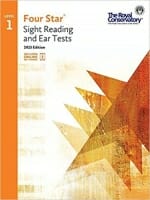
Gergely’s teaching methods include both the use of books and digital methods. The three main books he uses to teach guitar are as follows: “Guitar Method Book 1 by Will Schmid and Greg Koch,” “Four Star Sight Reading and Ear Tests RCM Level 1,” and “Classical Guitar Repertoire and Etudes RCM Level 1.” For teaching ukulele, he uses the book “Ukulele Songs for 1, 2, or 3 players by Elizabeth Ragsdale.” Aside from these, he frequently uses the Muse Score application as a play-along practicing tool.
Gergely’s passion for music and his dedication to growing the love of music in others are the biggest reasons why he teaches guitar and ukulele. His approach to teaching involves learning through play. The material he covers with his students is always delivered in a way that is highly interactive. Most of the assigned exercises he gives involve the elements of play that students can enjoy both in class and as homework.
Get to know Gergely…Beyond the Bio!
Coming soon!
Hobbies:
Musical influences:
Favourite food:
Least favourite food:
Favourite music:
Favourite album:
Favourite movie:
Favourite musical theatre/opera:
Best quote from your teacher:
Favourite quote:
Favourite book:
Latest Homework from Gergely
Is Gergely Your Teacher?
Sign up now to get your weekly assignments delivered, and never lose your homework sheet again!
Saturday, January 27th
Nova
Warmups (1min each) **keep thumbs on sticks–no boxing mits
–8 on a hand
–Singles; doubles; paradiddles
–Roll exercise (apple-apple-watermelon-watermelon)
*Alfred Lesson 6 ex. 1-6 (10min)
*New Song: Scott Pilgrim
–Today we reviewed the first two lines. Practice this so that you can play it correctly five times in a row (five finger game)(10min)
–The third line is almost the same. Try learning it this week (hint: the only big difference is at the end of the line)*** (5min)
Some new song ideas:
–Daft Punk and Pharrell Williams: Lose Yourself to Dance
–Lenny Kravitz: Are You Gonna Go My Way
–Isley Brothers: It’s Your Thing
–Bon Jovi: Livin’ On a Prayer
–AC/DC: Back in Black
Jared
Padwork (1min/ea)
–Triplet ex. (Goal Tempo=130)
–Sixteenth-Note Exercise (goal tempo = 100***)
–Flam Taps***: try “breaking down” this rudiment (slow–>max speed–>slow)
–Singles, Doubles, Paradiddles – goal tempo: 130bpm
Fall Out Boy – Dance, Dance *up until bottom of page 2
–Half-time groove on the third line p3: practice COUNTING then playing
–**Let’s try to finish this off this week! Play it over and over with a recording
Extra foot exercises:
–16th ex. with bass drum **add in quarter notes on the ride cymbal and snare drum on 2 and 4
–doubles between LH-RF **break it down (slow-fast-slow) like the flam rudiment
***New Song: Give It Away by Red Hot Chili Peppers
Koel
Warmups (1min each):
–Triplet Exercise 110bpm
–Sixteenth-note Exercise 90bpm
Syncopation Book: good work **this week start on lesson 4 (PDF p9/book p10) ex 1-4 keeping
Lenny Kravitz: Are you Gonna Go My Way
–Everything up until Chorus*
Tracie
Warmups
–Triplet Exercise (80bpm*)
–PAS Rudiments Chart: Single Stroke Roll, Single Stroke Four, Double stroke Roll, 5-stroke roll
–Bass drum exercise: “1 + 2 3 + 4 ” working on speed
Nirvana: Drain You–main groove working on speed
–Focusing on the “+ 1 +” seam between the repetitions

Family bonding, fun activities, and music programs for kids
Let me guess!
Are you trying to take the most while your kids are small, trying to share with them as much time as possible? Looking for ways to increase creativity, and enhance family bonding? Well, fun music programs are great to ignite a passion for this beautiful art in your children. And we share the same emotion as you do. In this blog, we’ll explore the benefits of the exciting world of music lessons for babies, toddlers and children. Fun music curriculum and activities designed to create unforgettable family memories.
Why Music Matters for Kids?
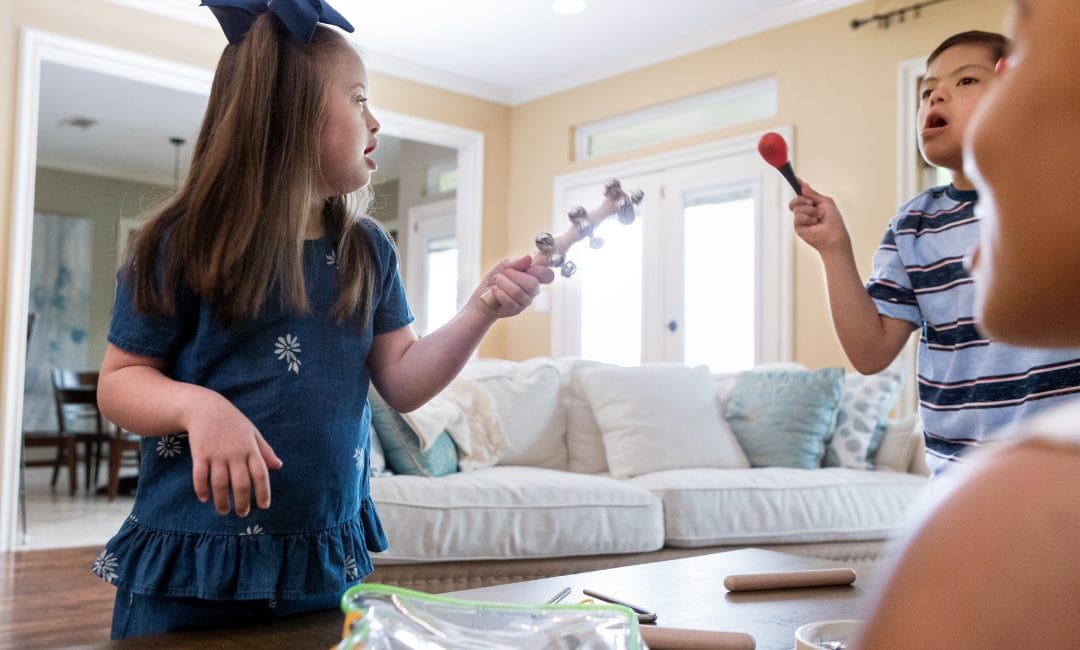
Music programs foster exploration of instruments embracing your kids creativity and self expression.
Music is a universal language that transcends age and background. It has numerous benefits for the whole family, moms, dads, and particularly for your little one. Some of the benefits of music are enhancing cognitive development, improving social skills, boosting confidence, and providing a creative outlet. That is really great.
It also provides essential professional skills, such as preparation, completion, collaboration, cooperation, communication, and self-confidence.
Tailored Music Programs for Toddlers
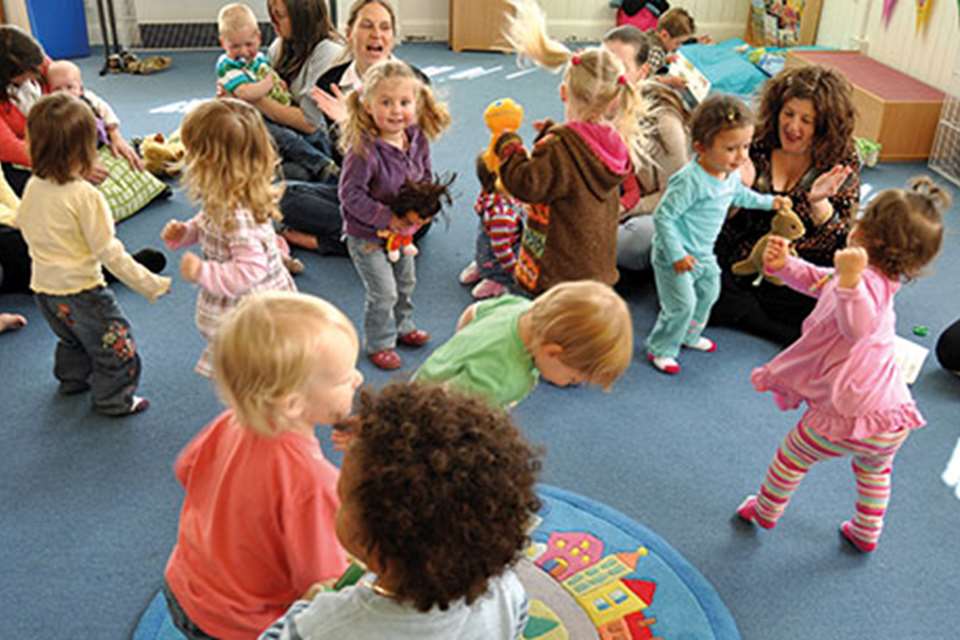
Let us share with you about ABC Academy of Music, and how it understands the supremacy of music in nurturing young minds and strengthening family ties. ABC offers a world-famous program, Music Together® which introduces babies, toddlers (and later school-aged children) to the magic of music through interactive activities like singing, clapping, and dancing. It’s a fantastic way to enhance motor skills and early socialization while having loads of fun. Kids get to explore a variety of percussion instruments, props, and games. Children learn melodies, and develop a sense of rhythm in a supportive, creative environment that does not pander to them with simplistic songs like ‘The Wheels on the Bus’, or ‘Twinkle, Twinkle’ (which is also Baa Baa Black Sheep, and the Alphabet song – have you ever noticed?).
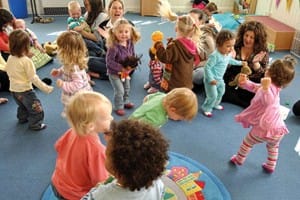
Music programs has numerous benefits for the whole family, moms, dads, and particularly for your little one.
Engaging Music Lessons for Kids
In this program, your kids will dive into the world of melody, harmony, rhythm, percussion, and not-so-basic ear training. They’ll have a blast experimenting with a variety of small instruments and props instruments while developing a strong foundation in music that prepares them for private lessons better than any other program we’ve found.
For slightly older children, our rhythm kids program offers a deeper exploration of instruments like the guitar, keyboard, flute, dancing, singing and fostering their creativity and self-expression. Get to know better the ABC Academy of music and its tailored programs for your children at all ages https://www.music-lessons.ca/toronto/classes/
Fun Music Programs for All Ages

Some of the benefits of music are enhancing cognitive development
Family Music Classes: ABC understands the importance of bonding as a family. Family Sessions provide a unique opportunity for parents and kids to make music together. It’s a joyful experience that creates lasting memories and strengthens your family connections.
Celebrate special occasions with its holiday-themed music workshops. Whether it’s Christmas caroling, Halloween sing-alongs, these workshops bring families together through the magic of music.
Talent Show and Recital: your kids can present their developing musical skills and creativity at our annual Recital. It’s a fantastic event that encourages children to shine on stage while bringing families, friends, and the community together in a low-key, intimate event that prioritizes a casual ‘sharing’ rather than performance and perfection-based approach.
Music is magic to enrich the lives of children and families alike. ABC Academy of Music, is committed to providing a nurturing environment where your kids can explore their musical potential and create cherished family memories. Join us on this harmonious journey of learning, bonding, and making music together!
Contact us to enroll your child and embark on a melodic adventure, book your free demo class today https://www.music-lessons.ca/toronto/classes/ looking forward to seeing you!
Follow us on our social channels to know more about the benefits of music lessons for adults.
PS – DID YOU FIND THIS INTERESTING?
Check out our post:
“How to Build kids’ positive emotions, self-esteem, and logical thinking through music practices”
**Link is in progress**
Additional Reading for Your Interest:
Preferred Books for Gergely’s Students
Click to buy them here, and they’ll come right to your house! What could be easier?
Hal Leonard Guitar Method
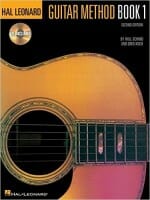
The second edition of this world-famous method by Will Schmid and Greg Koch is preferred by teachers because it makes them more effective while making their job easier. Students enjoy its easy-to-follow format that gives them a solid music education while letting them play songs right away. Book 1 provides beginning instruction including tuning, 1st position melody playing, C, G, G7, D7, and Em chords, rhythms through eighth notes, solos and ensembles and strumming.
Four Star Sight Reading and Ear Tests