M.Mus (U of T)
B.Mus (Oberlin)
Guitarist Gergely Szabo has an Advanced Diploma in Music Performance from Cambrian College where he majored in the classical guitar. Over his time there, he completed 2 years of comprehensive pedagogy courses. He also gained well grounded vocal skills, as well as basic knowledge on the piano. Outside of classical music, he exhibits a repertoire of skills and knowledge in playing the genres of rock, blues, and heavy metal music. He has experience in teaching the guitar and the ukulele to a range of people aged 6 to 54.
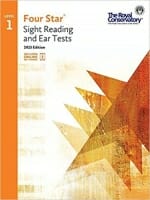
Gergely’s teaching methods include both the use of books and digital methods. The three main books he uses to teach guitar are as follows: “Guitar Method Book 1 by Will Schmid and Greg Koch,” “Four Star Sight Reading and Ear Tests RCM Level 1,” and “Classical Guitar Repertoire and Etudes RCM Level 1.” For teaching ukulele, he uses the book “Ukulele Songs for 1, 2, or 3 players by Elizabeth Ragsdale.” Aside from these, he frequently uses the Muse Score application as a play-along practicing tool.
Gergely’s passion for music and his dedication to growing the love of music in others are the biggest reasons why he teaches guitar and ukulele. His approach to teaching involves learning through play. The material he covers with his students is always delivered in a way that is highly interactive. Most of the assigned exercises he gives involve the elements of play that students can enjoy both in class and as homework.
Get to know Gergely…Beyond the Bio!
Coming soon!
Hobbies:
Musical influences:
Favourite food:
Least favourite food:
Favourite music:
Favourite album:
Favourite movie:
Favourite musical theatre/opera:
Best quote from your teacher:
Favourite quote:
Favourite book:
Latest Homework from Gergely
Is Gergely Your Teacher?
Sign up now to get your weekly assignments delivered, and never lose your homework sheet again!
Thursday January 25 Lessons – Erin P
JUNE RCM EXAM REGISTRATION IS OPEN. Liam (lvl 3), Sara (lvl 4), Marco (lvl 1), Daniel (lvl 2), Greta (lvl 1) please register via this link.
My teacher code is #130747. Select June Practical exam, then Piano. Pick whatever date is convenient for you within the time frame. I will see it come up on my end when you register. Thanks so much!! This is exciting :)
Liam
*New* Flying Solo – the dynamics here are super cool. This piece uses a lot of contrast (staccato/legato and loud/soft). It also moves between C major and A minor.
Harlequinade – you are doing great. Fingering is so important. Anywhere that trips you up, do some extra work hands seperate. Keep your eyes on the page to notice when similar lines have small differences.
You know all your technique now. Each practice day, pick a key and play all the technical requirements for it. By the end of the week, you should have practiced all technique.
Jadon
Canon x Beautiful in White – Intro, then 151 bass, then 15123 bass. For the constant 8th note RH section refer to the falling piano keys video.
Sara
Maple Leaf Rag – Amazing! Think about lining your forearm up with your fingers, even when your arms are very wide, your elbows will be your best friend here. Slow beat to beat practice on page 2 will help too.
Lullaby of Birdland – Very nice! Fix LH C# at the very beginning and fix RH rhythms in bridge.
Ballade – woohoo! At the top of page 2 there are opportunities for super fun dynamics. Run that line a bunch of times and experiment and be picky with dynamics and articulation. Listen to different recordings for inspiration.
*New* C minor harmonic formula pattern
Marco
*New* Minuet in C – first 2 lines HS. Tied notes here are very important. 8th notes should be legato, but otherwise anything not marked legato can be detached (not staccato, just detached). Notice the sharps and naturals in the RH 8th note line. Listen here.
Indiana Jones – Great progress! We are going to add in the LH half note chords to the bridge, same rhythm as the rest of the piece. C, Bb, Ab, and G are the only chords in this part.
Morning Fanfare – HT all. Almost always, the dotted 8th note+16th note rhythm will be by itself, and the HT parts are on the plain 8th notes. Near the end when the voices begin overlapping, it is a great idea to stop on beat 1 where they overlap. Half the battle is getting the hands to come down together at the same time.
*New* D minor natural and harmonic scale – natural means only using the notes borrowed from the major key (in this case, F major, so all white keys and Bb). Harmonic means to do that AND raise the 7th note (so Bb plus C#). Same fingering as always.
Daniel
Etude in F Major – nice work! Keep your eyes on the page to ensure muscle memory doesn’t lead you to the wrong place. Focus on creating a mature and beautiful sound everytime you play.
C and G major formulas – Remember to use finger 4 whenever a hand is playing more than one octave. Thumbs should always be on the root if you’re continuing in that direction. You can always stop on every C “pivot point” and check your fingering is right.
*New* Atacama Dessert (pg 22-23) – measures 1-8 HT. In the LH, notice the tied notes. In the RH, the bottom note on the thumb must be bumped and played loudly, it is the least interesting part about the melody. We want to hear the top changing notes. Listen here.
Rhythm practice – this website generates a rhythm for you that aligns with what you will be asked to tap in the exam, it also plays you a metronome and can perform the rhythm for you to check accuracy. The syllabus states: “For a given rhythm, students will be asked to: • Tap a steady beat with their hand or foot for one measure. • Continue tapping while speaking, tapping, or clapping the given rhythm. A steady pulse and metric accentuation are expected.”
Greta
*New* Natural Minor scales – A, D and E. Minor scales pull their notes from their relative major that lives 3 half steps up. C major = A minor. Same fingering as always.
Minuet in A minor – HT in very small chunks by playing beat to beat. The point of this to build fluency moving both hands to their next note/position in time. Once little blocks are secure, we can start connecting them together to play fluently together. Count carefully for your dotted rhythms, and if in doubt, listen to a recording.
Register for your exam with the link at the top of the page :)
Tuesday, January 16th
Myles
*Learn the basic shuffle
–counting: “1.a2.a3.a4.a”
–play BD on “1” and “3”, and SD on “2” and “4”
Warmups (1min ea, as fast as comfortable)
–8 on a Hand
–Single Strokes
–Double stokes
Four kinds of paradiddle: Single (LRLL..) Double (RLRLRR..) Triple (LRLRLRLL..) and Paradiddle-diddles (RLRRLL or LRLLRR)
Alfred, Solo #2: *add fourth line to your practice routine
–focus first on the notes, then we’ll add more detail together
Drumset Musician Worksheet p. 12 ex. 8-11–good, polish up 10 and 11
ACDC – Back in Black – up to gtr solo review three details:
—1) Crash on each word of “back in black”
—2) Lead into each “back in black” with bass drum on “3 & . &”
—3) Add one snare drum to the last fill before each chorus
Jonah
Warmups (1min/ea)
–Triplet Exercise (Goal tempo=120)
–Sixteenth-note exercise (goal tempo=100)
–Stick Control: ex. 57-64 (160bpm)
Joel Rothman Book: Lesson 16
**1/8 note triplets with rests on the upbeat
**Hand ex. 5-6
**Rock beats 5-8
Memphis Soul Stew
–Make sure to use a rebound stroke to keep the SD with the HH
–Learn make sure you play the next fill on p2
***Please Print (click here)***
Xylophone: pno book pg 48
Josh
Warmups (30sec/ea, as fast as comfortable)
–8 on a hand
–Singles, Doubles, and Paradiddles
–Roll exercise
Alfred Book: Lesson 5 combination study
I’m Still Standing
—To make sure you’re staying in time with the song, start by clicking your sticks to the beat; then move that to the HH; then add the BD; then add the SD
—Remember, the rolls aren’t that fast in this song. Focus on the one at the end of the “I’m Still Standing” section (chorus)
Noah
Under Pressure: finishing up
–Building the bridge from both sides in the Drum Solo section: LISTEN carefully to the passage of the music, and try to stay at the right pace, worrying a little less about the notes
–Aim for the last two lines of the page, making sure to transition at the right moment. Listen for the vocal cue into each section
–Review the fill at the end of the chorus
Robbie
**AC/DC: Back in Black
–Bringing the beat in in steps (count; hihat; bass drum; snare drum)
–Starting right after the count in altogether
–Adding in the drum fill “bada bada bada bada”
Will
Steely Dan: Peg – Full song
–nail the transition after the first chorus
–add in ghost notes on:
—-1) the “e” of beat 3
—-2) the “e” of beat 1
***Purdie Shuffle (halftime shuffle):
—focus on getting the hihat shuffle pattern with the ghost notes
—add the bass drum flutters
Francisco
Warmups (30sec/ea., find goal speed):
–8 on a hand
–Singles
–doubles
–Paradiddles
Drumset Musician p11 ex 1-7 a) and 1-7 b) **
–BONUS: go on to 8-15 a) on the next page
AC/DC: Back in Black: Up to the end of the chorus*
Preferred Books for Gergely’s Students
Click to buy them here, and they’ll come right to your house! What could be easier?
Hal Leonard Guitar Method
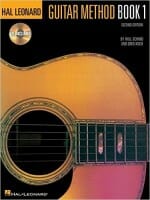
The second edition of this world-famous method by Will Schmid and Greg Koch is preferred by teachers because it makes them more effective while making their job easier. Students enjoy its easy-to-follow format that gives them a solid music education while letting them play songs right away. Book 1 provides beginning instruction including tuning, 1st position melody playing, C, G, G7, D7, and Em chords, rhythms through eighth notes, solos and ensembles and strumming.
Four Star Sight Reading and Ear Tests