Guitarist Gergely Szabo has an Advanced Diploma in Music Performance from Cambrian College where he majored in the classical guitar. Over his time there, he completed 2 years of comprehensive pedagogy courses. He also gained well grounded vocal skills, as well as basic knowledge on the piano. Outside of classical music, he exhibits a repertoire of skills and knowledge in playing the genres of rock, blues, and heavy metal music. He has experience in teaching the guitar and the ukulele to a range of people aged 6 to 54.
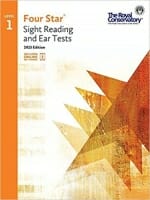
Gergely’s teaching methods include both the use of books and digital methods. The three main books he uses to teach guitar are as follows: “Guitar Method Book 1 by Will Schmid and Greg Koch,” “Four Star Sight Reading and Ear Tests RCM Level 1,” and “Classical Guitar Repertoire and Etudes RCM Level 1.” For teaching ukulele, he uses the book “Ukulele Songs for 1, 2, or 3 players by Elizabeth Ragsdale.” Aside from these, he frequently uses the Muse Score application as a play-along practicing tool.
Gergely’s passion for music and his dedication to growing the love of music in others are the biggest reasons why he teaches guitar and ukulele. His approach to teaching involves learning through play. The material he covers with his students is always delivered in a way that is highly interactive. Most of the assigned exercises he gives involve the elements of play that students can enjoy both in class and as homework.
Get to know Gergely…Beyond the Bio!
Coming soon!
Hobbies:
Musical influences:
Favourite food:
Least favourite food:
Favourite music:
Favourite album:
Favourite movie:
Favourite musical theatre/opera:
Best quote from your teacher:
Favourite quote:
Favourite book:
Latest Homework from Gergely
Is Gergely Your Teacher?
Sign up now to get your weekly assignments delivered, and never lose your homework sheet again!
Music, the secret ingredient for a happy child
How to make your kids happier? Is there a secret ingredient to reach that goal?
Children are the most precious members of our society, and ensuring their well-being and happiness is a responsibility we all share. While love and respect form the foundation of a child’s emotional development, it’s equally important to provide them with nourishing food and the uplifting power of music. In this blog post, you will explore how these essential ingredients contribute to your children’s happiness and well-rounded development.
Love and respect: the building blocks of confidence
- Love as nurturance: love is the cornerstone of a child’s emotional health. It provides them with a sense of security and belonging, which is essential for building confidence and self-esteem. Children who feel loved are more likely to explore their potential and take on new challenges.
- Respect as empowerment: respecting children as individuals with their own thoughts and feelings empowers them to develop a strong sense of self. When children feel respected, they learn to respect others in return, fostering harmonious relationships and empathy.

Respecting children as individuals with their own thoughts empowers them to develop a strong sense of self
Nutritious food: fueling growing bodies and minds
- Physical Health: Providing children with balanced and nutritious meals is essential for their physical well-being. Proper nutrition supports healthy growth, development, and immune system function. A well-fed child is better equipped to learn and explore the world.
- Mental Well-Being: The food children eat can impact their cognitive function and mood. Diets rich in whole grains, fruits, vegetables, and lean proteins provide essential nutrients that support mental health, concentration, and emotional stability.
The power of music lesson: bringing joy and emotional expression
- Joyful moments: music has the extraordinary ability to instantly uplift a child’s spirits. Whether it’s singing, dancing, or simply listening to their favorite tunes, music creates moments of pure joy and happiness.
- Emotional expression: music also serves as a medium for children to express their emotions. Through songs and melodies, children can communicate their feelings, whether it’s happiness, sadness, or excitement. This emotional outlet helps them understand and manage their emotions.
- Kids are able to demonstrate their feelings, and emotions through sounds, musical instruments, claps, or body language. Music lessons and programs give children the possibility of being able to feel relieve even from sentiments that the little ones are not able to recognize and verbalize.
- Music together is a worldwide recognized fun music curriculum, for babies and children. Check for more information about amazing tailored programs at https://www.music-lessons.ca/toronto/classes/ and book your free demo class at any time, we are looking forward to see you!
- Learning and creativity: Music is not only about enjoyment but also a valuable tool for learning and creativity. Playing musical instruments or participating in music programs can enhance cognitive skills, improve memory, and foster creativity in children.

love is the cornerstone of a child’s emotional health
Bringing it all together: a recipe for happy children
- Love and respect as the foundation: start by showering children with love and treating them with respect. Create a nurturing environment that encourages them to explore, learn, and grow.
- Nutritious meals for nourishment: ensure that children receive balanced, wholesome meals to support their physical and mental development. A well-fed child is more likely to be energetic and enthusiastic.
- Music as the cherry on top: Integrate music into daily routines. Sing songs together, dance around the living room, or enroll children in music classes that match their interests. The joy and creativity music brings can enhance their overall well-being.
ABC Academy of Music and its programs and fun music curriculum nurtures kids’ life and are for children at all ages. ABC Academy, and Music Together classes contribute with your children happiness.
In the quest to raise happy and well-rounded children, remember that love, respect, nutritious food, and music all play crucial roles. These essential ingredients create a harmonious blend that nurtures not only a child’s body but also their mind and soul. By providing love, respect, nourishment, and the gift of music, we give children the tools they need to grow into happy, confident, and emotionally healthy individuals.
Contact us to get a free demo class today at https://www.music-lessons.ca/toronto/classes/ and enroll your child on a melodic adventure. Looking forward to seeing you!
Follow us in our social channels to know more about the benefits of music lessons for all ages!
PS – DID YOU FIND THIS INTERESTING?
Check out our post:
“What? Are there 3 “C” from music lessons?
Yup…Concentration, coordination, and creativeness!”
“Link is in progress”
*************************
Additional Reading for Your Interest:
Self-esteem on children 1-8 years
Center for disease and health control/Benefits of healthy eating
Thursday March 7 Lessons – Erin P
Have a lovely March break everyone! See you on the 21st.
Liam
*New* Sonatina in G Major – For now, leave the grace notes out and just play the main melody. When doing the “Alberti bass” in the LH (where it goes bottom-top-middle-top), *rotation* of the wrist is your best friend. Think about twisting a door handle and let the rotation be what takes you from thumb to pinky effortlessly. Listen here.
If you have the time, explore the Ragtime medley that begins with Hello My Baby in Piano Pronto. It is not swung, just sounds jazzy due to the short-long syncopation. Count carefully!
Nice progress on the scales! Keep up all of your technique.
Katarina
Wunderkeys – Laundry Limbo – Move and Groove. This will be right after your pages with sticky flags on them. This pieces might not be in a position we are used to! You have to identify the starting note, then read the finger number written up above to learn where to place your hands.
Marita
*New* Nightingale – D minor. Look carefully at the LH, it typically has 3 different “shapes” of notes used. Whenever the RH goes up high into ledger line territory, it is typically playing a melody we have already played lower down, so look for repeating patterns and ideas.
Sara
Maple Leaf Rag – Here’s today’s performance. Absolutely killer, however we can get another recording where you nail the ending.
Desafinado – Use a 120bpm boss nova backing track on youtube to play the melody along with. Once you can feel an underlying beat, it will start to come to life.
Warsaw Session – BEAUTIFUL! Your phrasing and dynamics are lovely.
Marco
Superman Theme – WOW! I’m impressed. You can start learning the next section between the stars. Start with just the RH, but quickly add in the LH as a pulse keeper, it is mainly just constant Cs. Lots of triplets which I circled.
Song of the Dark Woods – all. Lovely! Give the 3rd line some extra love and ensure LH is doing the written fingering.
Cranky Cat – m1-8. Now HT. Great job with the notes and staccato touch. Now let the hands interrupt each other :)
Keep all technique prepared.
Daniel
Keep all technique skills prepared.
*New* Raiders in the Night – This is in 6/8 so feel two main beats per measure, the accents help to feel this. A minor key signature. Page 1 is the expectation, but feel free to continue onwards if you like.
Greta
Song of the Dark Woods – All. In the 3rd line, the LH fingering is essential to keeping it legato. Work on this phrase hands seperate so you can eliminate the “splitting” of the notes (we want them to be pressed down at the exact same time).
INTERVALS – so today I included perfect 5ths, but on the level 1 exam you are only tested on major or minor 3rds. I apologize for throwing 5ths into the mix, my mistake, however no harm in more learning and knowledge, but don’t stress over them! With this link you can practice identifying the types of 3rds ascending or descending.
Maintain all your technical requirements.
Preferred Books for Gergely’s Students
Click to buy them here, and they’ll come right to your house! What could be easier?
Hal Leonard Guitar Method
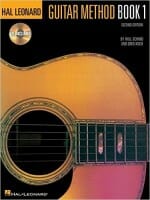
The second edition of this world-famous method by Will Schmid and Greg Koch is preferred by teachers because it makes them more effective while making their job easier. Students enjoy its easy-to-follow format that gives them a solid music education while letting them play songs right away. Book 1 provides beginning instruction including tuning, 1st position melody playing, C, G, G7, D7, and Em chords, rhythms through eighth notes, solos and ensembles and strumming.