M.Mus (U of T)
B.Mus (Oberlin)
Guitarist Gergely Szabo has an Advanced Diploma in Music Performance from Cambrian College where he majored in the classical guitar. Over his time there, he completed 2 years of comprehensive pedagogy courses. He also gained well grounded vocal skills, as well as basic knowledge on the piano. Outside of classical music, he exhibits a repertoire of skills and knowledge in playing the genres of rock, blues, and heavy metal music. He has experience in teaching the guitar and the ukulele to a range of people aged 6 to 54.
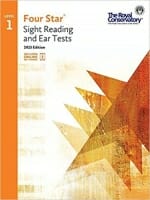
Gergely’s teaching methods include both the use of books and digital methods. The three main books he uses to teach guitar are as follows: “Guitar Method Book 1 by Will Schmid and Greg Koch,” “Four Star Sight Reading and Ear Tests RCM Level 1,” and “Classical Guitar Repertoire and Etudes RCM Level 1.” For teaching ukulele, he uses the book “Ukulele Songs for 1, 2, or 3 players by Elizabeth Ragsdale.” Aside from these, he frequently uses the Muse Score application as a play-along practicing tool.
Gergely’s passion for music and his dedication to growing the love of music in others are the biggest reasons why he teaches guitar and ukulele. His approach to teaching involves learning through play. The material he covers with his students is always delivered in a way that is highly interactive. Most of the assigned exercises he gives involve the elements of play that students can enjoy both in class and as homework.
Get to know Gergely…Beyond the Bio!
Coming soon!
Hobbies:
Musical influences:
Favourite food:
Least favourite food:
Favourite music:
Favourite album:
Favourite movie:
Favourite musical theatre/opera:
Best quote from your teacher:
Favourite quote:
Favourite book:
Latest Homework from Gergely
Is Gergely Your Teacher?
Sign up now to get your weekly assignments delivered, and never lose your homework sheet again!
Music lessons, an astonishing influence on teenager’s health and well-being
How music influence teenager’s health and well-being? Music has been a fundamental part of human culture for centuries. It has the power to evoke emotions, soothe the soul, and bring people together.
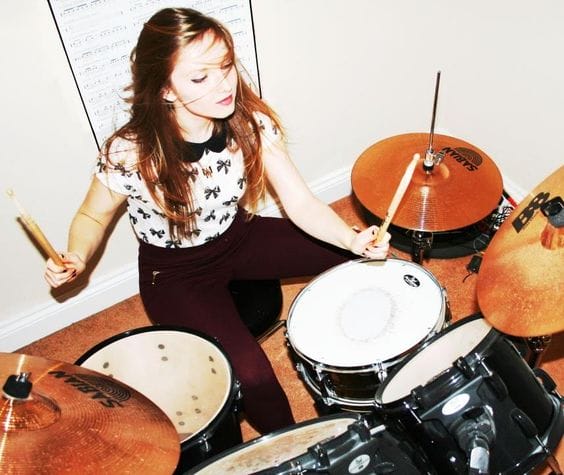
Did you know that music lessons can also have a profound impact on adolescent’s health and well-being? In recent years, numerous studies have shown that drums, piano, guitar, violin lessons or music lessons in general, can play a pivotal role in shaping the physical, emotional, and cognitive development of adolescents.
In this blog post, we’ll explore the ways in which music lessons can positively influence the health and well-being of teenagers.
Boosting Cognitive Development
Music lessons for teenagers are like a workout for the brain. Learning to play an instrument involves understanding complex patterns, reading musical notation, and coordinating fine motor skills. This process stimulates brain regions responsible for memory, problem-solving, and creativity. No activity lights up as many parts of the brain more than Music does.
Studies have shown that teenagers who engage in music lessons tend to perform better academically, particularly in subjects like mathematics and language. This boost in cognitive development can provide teenagers with a sense of accomplishment and self-confidence, which are crucial for their overall well-being.
Music boost cognitive development and over all well-being.
Emotional Expression and Stress Reduction
Teenage years can be emotionally turbulent. Adolescents often grapple with feelings of anxiety, stress, and uncertainty. Music provides a safe and constructive outlet for emotional expression. Whether through playing an instrument or singing, teenagers can channel their emotions and release pent-up stress. Music has a unique ability to convey feelings that words alone cannot express, allowing teenagers to explore and process their emotions in a healthy way. This emotional release can lead to improved mental well-being and reduced stress levels.
Building Self-Confidence
Learning to master an instrument or excel in music can be a transformative experience for teenagers. As they progress in their musical journey, they gain a sense of accomplishment and self-confidence. Performing in front of others, whether in a school band or at a recital, can also boost self-esteem and help teenagers overcome stage fright and social anxiety. This newfound confidence can extend beyond the realm of music and positively impact various aspects of their lives.
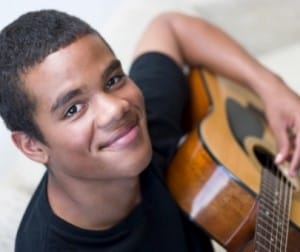
Fostering Social Connections
Participating in music lessons often involves collaboration with peers in group settings. Whether in a choir, orchestra, or band, teenagers have the opportunity to form deep social connections through shared musical experiences. These connections can lead to lasting friendships, a sense of belonging, and increased social support. Having a supportive social network is vital for teenagers’ mental and emotional well-being, and music can be a powerful catalyst for building these connections.
Enhancing Discipline and Time Management
Learning an instrument requires dedication, discipline, and effective time management. Teenagers who commit to regular practice schedules and stick to them develop important life skills that extend far beyond the world of music. These skills can help teenagers excel academically, maintain healthier lifestyles, and make informed decisions about their future.
Get to know us better at https://www.music-lessons.ca/ and unleash your talent at ABC academy of music.
Incorporating music lessons into the teenagers’ lives can have a profound and lasting impact on their health and well-being. From cognitive development and emotional expression to self-confidence and social connections, the benefits of music education are wide-ranging. Parents, educators, and policymakers should recognize the importance of music education and ensure that it remains an integral part of the adolescent experience. By doing so, we can empower teenagers to lead healthier, more fulfilled lives, all while nurturing their love for music and the arts.
ABC academy of music offers drums lessons, piano lessons, guitar lessons, violin lessons, and other musical instruments to all ages book your lessons at https://www.music-lessons.ca/toronto/contact-us/
PS-DID YOU FIND THIS INTERESTING? Check out our post
“Music has a positive effect in teenagers disposition”
Additional Reading for Your Interest:
How playing an instrument benefits your brain
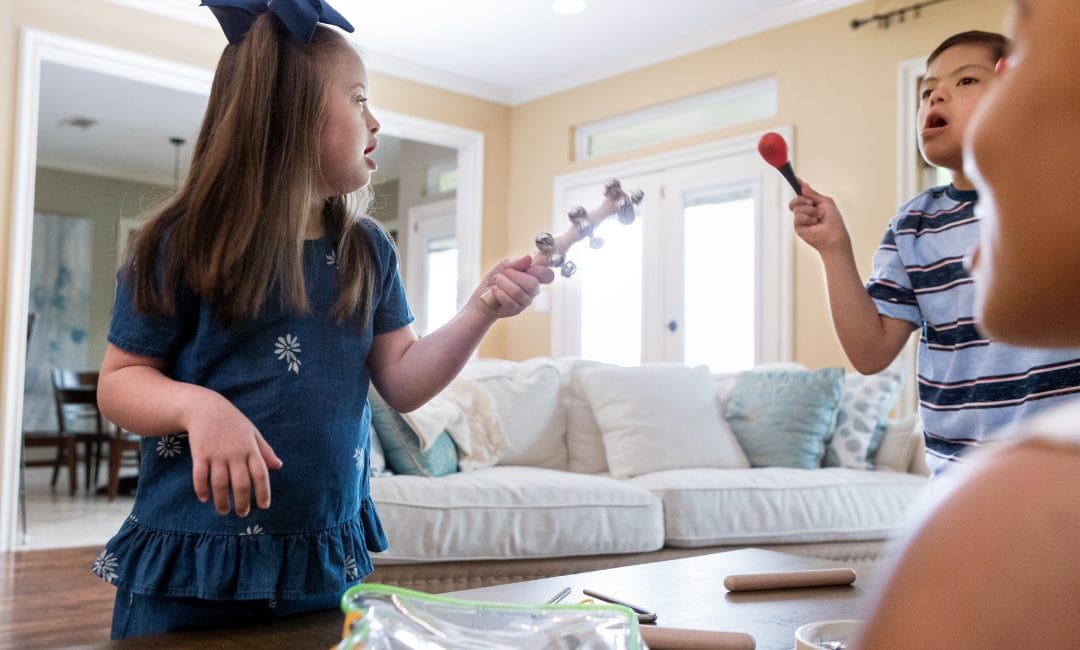

Family bonding, fun activities, and music programs for kids
Let me guess!
Are you trying to take the most while your kids are small, trying to share with them as much time as possible? Looking for ways to increase creativity, and enhance family bonding? Well, fun music programs are great to ignite a passion for this beautiful art in your children. And we share the same emotion as you do. In this blog, we’ll explore the benefits of the exciting world of music lessons for babies, toddlers and children. Fun music curriculum and activities designed to create unforgettable family memories.
Why Music Matters for Kids?
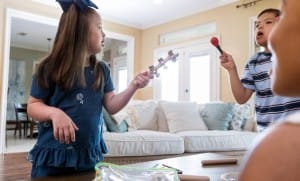
Music programs foster exploration of instruments embracing your kids creativity and self expression.
Music is a universal language that transcends age and background. It has numerous benefits for the whole family, moms, dads, and particularly for your little one. Some of the benefits of music are enhancing cognitive development, improving social skills, boosting confidence, and providing a creative outlet. That is really great.
It also provides essential professional skills, such as preparation, completion, collaboration, cooperation, communication, and self-confidence.
Tailored Music Programs for Toddlers
Let us share with you about ABC Academy of Music, and how it understands the supremacy of music in nurturing young minds and strengthening family ties. ABC offers a world-famous program, Music Together® which introduces babies, toddlers (and later school-aged children) to the magic of music through interactive activities like singing, clapping, and dancing. It’s a fantastic way to enhance motor skills and early socialization while having loads of fun. Kids get to explore a variety of percussion instruments, props, and games. Children learn melodies, and develop a sense of rhythm in a supportive, creative environment that does not pander to them with simplistic songs like ‘The Wheels on the Bus’, or ‘Twinkle, Twinkle’ (which is also Baa Baa Black Sheep, and the Alphabet song – have you ever noticed?).
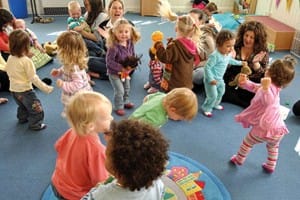
Music programs has numerous benefits for the whole family, moms, dads, and particularly for your little one.
Engaging Music Lessons for Kids
In this program, your kids will dive into the world of melody, harmony, rhythm, percussion, and not-so-basic ear training. They’ll have a blast experimenting with a variety of small instruments and props instruments while developing a strong foundation in music that prepares them for private lessons better than any other program we’ve found.
For slightly older children, our rhythm kids program offers a deeper exploration of instruments like the guitar, keyboard, flute, dancing, singing and fostering their creativity and self-expression. Get to know better the ABC Academy of music and its tailored programs for your children at all ages https://www.music-lessons.ca/toronto/classes/
Fun Music Programs for All Ages

Some of the benefits of music are enhancing cognitive development
Family Music Classes: ABC understands the importance of bonding as a family. Family Sessions provide a unique opportunity for parents and kids to make music together. It’s a joyful experience that creates lasting memories and strengthens your family connections.
Celebrate special occasions with its holiday-themed music workshops. Whether it’s Christmas caroling, Halloween sing-alongs, these workshops bring families together through the magic of music.
Talent Show and Recital: your kids can present their developing musical skills and creativity at our annual Recital. It’s a fantastic event that encourages children to shine on stage while bringing families, friends, and the community together in a low-key, intimate event that prioritizes a casual ‘sharing’ rather than performance and perfection-based approach.
Music is magic to enrich the lives of children and families alike. ABC Academy of Music, is committed to providing a nurturing environment where your kids can explore their musical potential and create cherished family memories. Join us on this harmonious journey of learning, bonding, and making music together!
Contact us to enroll your child and embark on a melodic adventure, book your free demo class today https://www.music-lessons.ca/toronto/classes/ looking forward to seeing you!
Follow us on our social channels to know more about the benefits of music lessons for adults.
PS – DID YOU FIND THIS INTERESTING?
Check out our post:
“How to Build kids’ positive emotions, self-esteem, and logical thinking through music practices”
**Link is in progress**
Additional Reading for Your Interest:
Preferred Books for Gergely’s Students
Click to buy them here, and they’ll come right to your house! What could be easier?
Hal Leonard Guitar Method
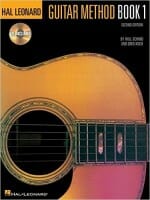
The second edition of this world-famous method by Will Schmid and Greg Koch is preferred by teachers because it makes them more effective while making their job easier. Students enjoy its easy-to-follow format that gives them a solid music education while letting them play songs right away. Book 1 provides beginning instruction including tuning, 1st position melody playing, C, G, G7, D7, and Em chords, rhythms through eighth notes, solos and ensembles and strumming.
Four Star Sight Reading and Ear Tests