M.Mus (U of T)
B.Mus (Oberlin)
Guitarist Gergely Szabo has an Advanced Diploma in Music Performance from Cambrian College where he majored in the classical guitar. Over his time there, he completed 2 years of comprehensive pedagogy courses. He also gained well grounded vocal skills, as well as basic knowledge on the piano. Outside of classical music, he exhibits a repertoire of skills and knowledge in playing the genres of rock, blues, and heavy metal music. He has experience in teaching the guitar and the ukulele to a range of people aged 6 to 54.
Gergely’s teaching methods include both the use of books and digital methods. The three main books he uses to teach guitar are as follows: “Guitar Method Book 1 by Will Schmid and Greg Koch,” “Four Star Sight Reading and Ear Tests RCM Level 1,” and “Classical Guitar Repertoire and Etudes RCM Level 1.” For teaching ukulele, he uses the book “Ukulele Songs for 1, 2, or 3 players by Elizabeth Ragsdale.” Aside from these, he frequently uses the Muse Score application as a play-along practicing tool.
Gergely’s passion for music and his dedication to growing the love of music in others are the biggest reasons why he teaches guitar and ukulele. His approach to teaching involves learning through play. The material he covers with his students is always delivered in a way that is highly interactive. Most of the assigned exercises he gives involve the elements of play that students can enjoy both in class and as homework.
Get to know Gergely…Beyond the Bio!
Coming soon!
Hobbies:
Musical influences:
Favourite food:
Least favourite food:
Favourite music:
Favourite album:
Favourite movie:
Favourite musical theatre/opera:
Best quote from your teacher:
Favourite quote:
Favourite book:
Latest Homework from Gergely
Is Gergely Your Teacher?
Sign up now to get your weekly assignments delivered, and never lose your homework sheet again!

How Group Music-making Boosts Social Skills
There’s a lot of research being done on the use of music for therapeutic purposes. Scientists have found that making music in a group environment can help people of all ages improve their social skills.
Group music-making has been shown to increase the release of dopamine, serotonin, and oxytocin –chemicals that are often associated with happiness and feelings of well-being. In addition to this, group music-making can help to strengthen relationships which is something that many people seek when they are feeling down or lonely. People who are depressed may find that music provides therapeutic effects because it gives them a sense of contribution and accomplishment – even if it was just adding one note to make a chord fuller or adding one beat to an already existing rhythm pattern.
The Benefits of Socializing and Cooperation
Group music-making is a form of socializing that brings the benefits of cooperation. For instance, if one person in a group is playing guitar and singing, others can play or sing along with that person to create harmony. Playing in groups has been shown to have mental and physical health benefits such as stress relief and increased endorphins. This type of activity allows people to work together in order to efficiently create an enjoyable sound. It’s not just about learning to play an instrument, it’s also about working together with others to create something.
The Power of Group Music-making for Developing Personal Skills
Being in a group while making music teaches you how to collaborate well and work together to bring your ideas to fruition. By creating meaningful dialogue in the group, people also improve their verbal communication skills, which can be applied outside the music-making context when they interact with peers or customers at work or school. Group members learn how each other work and find out what they can do to help each other.
From Kids & Teens to Adults, It Benefits Every Age and Stage
Group music-making has shown to be a very beneficial tool in developing children’s social skills. It can increase their self-confidence and develop their ability to cooperate and communicate with others. Music allows children to listen and share thoughts and ideas with one another in a playful environment and helps them develop new skills that will serve them well in life. Promoting cooperation and teamwork, group music-making has the power to positively change how children interact with one another.
Group music-making is a way to promote social skills development in teens and adults, too! It can be done in a variety of ways, such as community groups, sound-mapping, improvisation, or songwriting. When two or more people perform music at once, they’re creating one piece with their individual skills. For example, someone using a guitar can be the first layer of a song’s texture while someone providing percussion could be the second.
Music has always been about setting the stage for the soundscape that will represent a certain emotional experience and group music-making is no different. It’s just more immersive and interactive than ever before. Group music-making is a great activity for teens and adults who want to connect with another person or people through sound. It’s also great for people who want to learn how to make their own music!
It’s Never Too Late to Learn Music – It’s Good for You!
We often think that learning an instrument is for children and teens, but the truth is that it is never too late to reap the benefits. In fact, it’s beneficial for your mental health and can improve your quality of life at every age.
Learning an instrument can help you cope with stress and anxiety. Proven to lower depression levels, it’s also a great way to meet new people and develop meaningful relationships with them. All these factors make music lessons an excellent choice of therapy for seniors in nursing homes, or any other place where they need rehabilitation care.
It doesn’t matter if you are a beginner or an expert musician: music will always be present in your life, whether as a hobby or your profession.
Are You Secretly a Music Together Teacher?
Do you find yourself humming songs from class, or belting them out in the car when no one is around?
You might be a Music Together teacher!
Do you feel tempted to sing to crying children in public when their parents seem exasperated?
You might be a Music Together teacher!
Do you find yourself singing along to other parents singing to their children on the bus?
You might be a Music Together Teacher!
We’re Hosting a Music Together Teacher Training November 14-16…
…and we want you to join us!
This year ABC more than doubled its Music Together locations, from 5 to 11!
As part of the expansion we need more teachers, and would like to invite you to think about taking the teacher training.
What’s involved?
The Music Together Teacher Training is 27 hours over 3 days. It is a very intense experience, and must be fully attended.
It is followed by a 10-week, single class, paid apprenticeship, which would run from January through March, in one of our regular classes.
Are There Pre-Requisites or Qualifications Needed?
The simple answer to this is no.
Obviously we have some basic criteria, such as availability to teach, clearing a Vulnerable Sector Record Check, and having a pleasant and patient disposition, but you do not need to be a musician or musically trained to do the training and become a teacher.
We have teachers who come from Theatre, Dance, ECE (early childhood education), public school teaching backgrounds, or who were just parents in one of our classes! All of these folks are great teachers, and we’d love to add to their ranks.
Singing in tune and in time is necessary to pass the training, however.
Nervous or Unsure About This, But Excited About the Idea?
Don’t be! We provide a lot of support, ongoing training, and availability of our team internally.
We support each other, and we’ll support you.
Is There a Cost?
Typically there is a cost for these 3-day trainings, but ABC can cover part of the cost itself, and the remainder through a grant, making the training free for you. In exchange, the trained teacher agrees to join the ABC teaching team for 2 years.
How Do You Sign Up?
First thing to do is to call the office at 416-651-7529 and ask to speak to Barnaby. You’ll have a preliminary chat about your availability in general, your background, and to give you some information about what you can expect to experience, pay rates, time commitment, and more.
Still reading? Call us now! 416-651-7529
Preferred Books for Gergely’s Students
Click to buy them here, and they’ll come right to your house! What could be easier?
Hal Leonard Guitar Method
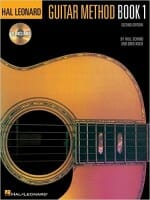
The second edition of this world-famous method by Will Schmid and Greg Koch is preferred by teachers because it makes them more effective while making their job easier. Students enjoy its easy-to-follow format that gives them a solid music education while letting them play songs right away. Book 1 provides beginning instruction including tuning, 1st position melody playing, C, G, G7, D7, and Em chords, rhythms through eighth notes, solos and ensembles and strumming.
Four Star Sight Reading and Ear Tests